Product Description
Product Description
GWSP Oil free Scroll Vacuum Pump
Working principle:
GWSP oil free scroll vacuum pump is constructed with pump head assembly, crank pin assembly, bracket assembly, air flush assembly,and exhaust valve assembly.Two spiral cylinders, 1 offset and orbiting against the other fixed with an offset of 180° to form several crescent-shaped pockets of different sizes. By means of an eccentric drive, the orbiting scroll is made to orbit about the fixed scroll, reducing the volume of the pockets and compressing gas from outside towards the inside thereby pumping the gas from vacuum chamber.
Basic informations:
1) Model: GWSP600 Oil free scroll vacuum pump
2) Ultimate vacuum pressure: 1 Pa/0.01 mbar (abs.)
3) Max suction capacity: 50Hz-8.7L/s 60Hz-10.4L/s
Safety Precautions:
The GWSP series oil free scroll vacuum pumps are suitable for clean processes only.
Do not pump toxic, explosive, flammable or corrosive substances or substances which contain chemicals, solvents or particles.GEOWELL will not perform maintenance work on pumps which have used special gases or other hazardous substances.
Be sure the inlet gas temperature must be lower than 122 °F.
Technical Specifications
| Model | GWSP40 | GWSP75 | GWSP150 | GWSP300 | GWSP600 | GWSP1000 | ||
| Pumping Speed | 50Hz | l/s | 0.5 | 1.0 | 2.0 | 4.3 | 8.7 | 16.6 |
| m3/h | 1.8 | 3.6 | 7.2 | 15.5 | 31.3 | 59.8 | ||
| cfm | 1.1 | 2.1 | 4.3 | 9.3 | 18.7 | 35.8 | ||
| 60Hz | l/s | 0.6 | 1.2 | 2.4 | 5.1 | 10.4 | 20.0 | |
| m3/h | 2.2 | 4.3 | 8.6 | 18.3 | 37.4 | 71.6 | ||
| cfm | 1.3 | 2.5 | 5.1 | 10.9 | 22.3 | 42.8 | ||
| Ultimate Pressure | Torr | ≤1.1*10-1 | ≤6.0*10-2 | ≤4.5*10-2 | ≤1.9*10-2 | ≤7.5*10-3 | ≤7.5*10-3 | |
| psi | ≤2.2*10-3 | ≤1.2*10-3 | ≤9.0*10-4 | ≤3.8*10-4 | ≤1.5*10-4 | ≤1.5*10-4 | ||
| Pa | ≤15 | ≤8 | ≤6 | ≤2.6 | ≤1 | ≤1 | ||
| mbar | ≤1.5*10-1 | ≤8.0*10-2 | ≤6.0*10-2 | ≤2.6*10-2 | ≤1.0*10-2 | ≤1.0*10-2 | ||
| Noise Level | dB(A) | ≤54 | ≤57 | ≤57 | ≤60 | ≤61 | ≤65 | |
| Leakage | mbar·l/s | 1*10-7 | ||||||
| Max. Inlet/Exhaust Pressure | MPa | 0.1 / 0.13 | ||||||
| Ambient Operation Temp. | ºF | 41~104 | ||||||
| Motor 1 phase | Power | kW | 0.25 | 0.55 | 0.55 | 0.55 | 0.75 | — |
| Voltage | V | 110~115 (60Hz),200~230 (50Hz) | — | |||||
| Speed | rpm | 1425(50Hz),1725(60Hz) | — | |||||
| Plug | North America, Europe, UK/Ireland, India | — | ||||||
| Motor 3 phase | Power | kW | — | 0.55 | 0.55 | 0.55 | 0.75 | 1.5 |
| Voltage | V | — | 200~230 or 380~415 (50Hz),200~230 or 460 (60Hz) | |||||
| Speed | rpm | — | 1425 (50Hz),1725 (60Hz) | |||||
| Inlet/Exhaust Flange | KF25/KF16 | KF40/KF16 | KF40/KF16*2 | |||||
| Dimensions | 1 phase | mm | 326*212*253 | 450*260*296 | 455*260*296 | 493*297*334 | 538*315*348 | — |
| 3 phase | mm | — | 450*260*296 | 455*260*296 | 493*297*334 | 538*315*348 | 576*450*402 | |
| Net Weight | 1 phase | kg | 15 | 21 | 22 | 29 | 36 | — |
| 3 phase | kg | — | 20 | 21 | 28 | 31 | 54 | |
| Cooling Type | Air cooled | |||||||
| Others | With air flush | |||||||
Features & Benefits
No oil clean vacuum.
No oil back-diffusion, no oil mist exhaust, provide clean vacuum environment
Wide product lineup.
Pumping speed covers 3~60 m3 /h, limited vacuum level 1~8 Pa
Suitable for all type of power supply around the world.
110/220/380/460V, 50/60Hz for choose
Low vibration, low noise.
57~65 dB(A), smooth operation
High efficiency, ease of maintenance.
No water cooled, no oil lubricated, no daily maintenance
Quality Control
CMM inspection system assures
fixed tolarance on dimension&shape
Pump Testing
Applications
Semiconductor industryindustry.stry
Vacuum sputtering machine.
IC plasma cleaning machine.
IC plasma polishing machine.
IC packaging machine.
IC transmission chamber.
Photoelectric industry.
LED vacuum annealing furnace.
Load lock/transfer chambers.
Glove box.
LED packaging machine.
Liquid crystal injection and packaging.
Material industry.
Vacuum annealing furnace.
Vacuum diffusion oven.
3D metal printing.
Single crystal growth furnace.
Microwave cleaning and microwave drying machine.
E-beam/Laser melting.
Vacuum degassing.
Vacuum gas substitution.
Vacuum equipment.
Oil free ultrahigh vacuum unit.
Oil free vacuum unit.
GEOWELL VACUUM CO.,LTD. is a HI-TECH enterprise in China dedicating in manufacturing, research and development, marketing of oil free scroll vacuum pumps and vacuum compressors since 2002. GEOWELL has been providing users and partners with premium quality products that are efficient and dependable, GEOWELL believe the integration of high performance and high reliability product and service will bring the highest value to both our customers and ourselves.
FAQ
Q: How long can I get the feedback after we sent the inquiry?
A: We will reply you within 12 hours in working day.
Q: Are you direct manufacturer?
A: Yes, we are direct manufacturer with factory and international department; we manufacture and sell all our products by ourselves.
Q: When can you delivery the product to us?
A: Since we are a factory with large warehouse, we have abundant products in store, so we can delivery within 7 days after get your deposit.
Q: Can I add logo to the products?
A: Of course, but we usually have quantity requirement. You can contact with us for details.
Q: How to guarantee the quality and after sales service of your products?
A: We conduct strict detection during production from raw material come in to product delivering shipment. Every product must go through 4 steps inspection from casting, machining, assembling, and performance testing within our factory before shipment, also intact packaging test are insured.
Q: What is your warranty term?
A: There is a 12 months warranty for our export products from the date of shipment. If warranty has run out, our customer should pay for the replacement part.
Q: Is the sample available?
A: Yes, usually we send our samples by Fedex, DHL, TNT, UPS, EMS, SF, Depon, it will take around 3 to 4 days for our customer receive them, but customer will charge all cost related to the samples, such as sample cost and air freight. We will refund our customer the sample cost after receiving the order.
/* January 22, 2571 19:08:37 */!function(){function s(e,r){var a,o={};try{e&&e.split(“,”).forEach(function(e,t){e&&(a=e.match(/(.*?):(.*)$/))&&1
| After-sales Service: | Yes |
|---|---|
| Warranty: | 1 Years |
| Oil or Not: | Oil Free |
| Structure: | Scroll Pump |
| Exhauster Method: | a Pair of Vortex Plates |
| Vacuum Degree: | Low Vacuum |
| Customization: |
Available
|
|
|---|
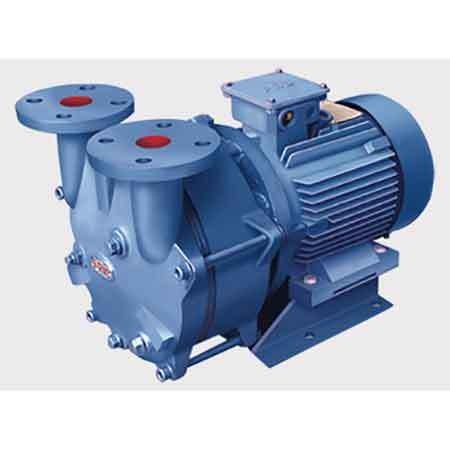
Can Vacuum Pumps Be Used for Vacuum Furnaces?
Yes, vacuum pumps can be used for vacuum furnaces. Here’s a detailed explanation:
Vacuum furnaces are specialized heating systems used in various industries for heat treatment processes that require controlled environments with low or no atmospheric pressure. Vacuum pumps play a crucial role in creating and maintaining the vacuum conditions necessary for the operation of vacuum furnaces.
Here are some key points regarding the use of vacuum pumps in vacuum furnaces:
1. Vacuum Creation: Vacuum pumps are used to evacuate the furnace chamber, creating a low-pressure or near-vacuum environment. This is essential for the heat treatment processes carried out in the furnace, as it helps eliminate oxygen and other reactive gases, preventing oxidation or unwanted chemical reactions with the heated materials.
2. Pressure Control: Vacuum pumps provide the means to control and maintain the desired pressure levels within the furnace chamber during the heat treatment process. Precise pressure control is necessary to achieve the desired metallurgical and material property changes during processes such as annealing, brazing, sintering, and hardening.
3. Contamination Prevention: By removing gases and impurities from the furnace chamber, vacuum pumps help prevent contamination of the heated materials. This is particularly important in applications where cleanliness and purity of the processed materials are critical, such as in the aerospace, automotive, and medical industries.
4. Rapid Cooling: Some vacuum furnace systems incorporate rapid cooling capabilities, known as quenching. Vacuum pumps assist in facilitating the rapid cooling process by removing the heat generated during quenching, ensuring efficient cooling and minimizing distortion or other unwanted effects on the treated materials.
5. Process Flexibility: Vacuum pumps provide flexibility in the type of heat treatment processes that can be performed in vacuum furnaces. Different heat treatment techniques, such as vacuum annealing, vacuum brazing, or vacuum carburizing, require specific pressure levels and atmospheric conditions that can be achieved and maintained with the use of vacuum pumps.
6. Vacuum Pump Types: Different types of vacuum pumps can be used in vacuum furnaces, depending on the specific requirements of the heat treatment process. Commonly used vacuum pump technologies include oil-sealed rotary vane pumps, dry screw pumps, diffusion pumps, and cryogenic pumps. The choice of vacuum pump depends on factors such as required vacuum level, pumping speed, reliability, and compatibility with the process gases.
7. Maintenance and Monitoring: Proper maintenance and monitoring of vacuum pumps are essential to ensure their optimal performance and reliability. Regular inspections, lubrication, and replacement of consumables (such as oil or filters) are necessary to maintain the efficiency and longevity of the vacuum pump system.
8. Safety Considerations: Operating vacuum furnaces with vacuum pumps requires adherence to safety protocols. This includes proper handling of potentially hazardous gases or chemicals used in the heat treatment processes, as well as following safety guidelines for operating and maintaining the vacuum pump system.
Overall, vacuum pumps are integral components of vacuum furnaces, enabling the creation and maintenance of the required vacuum conditions for precise and controlled heat treatment processes. They contribute to the quality, consistency, and efficiency of the heat treatment operations performed in vacuum furnaces across a wide range of industries.
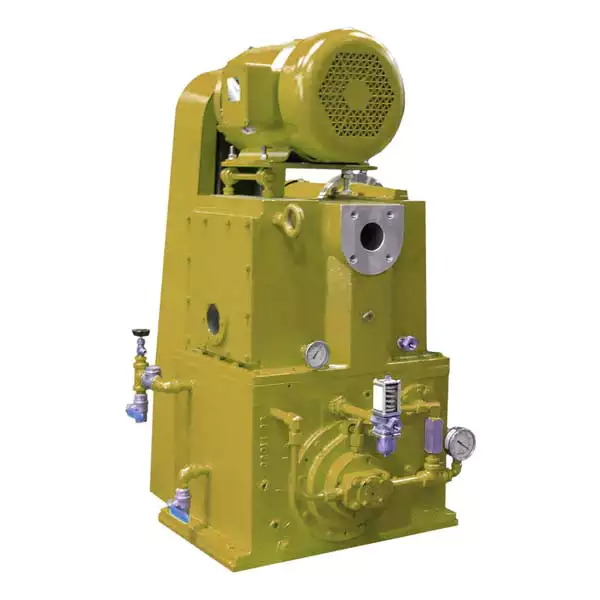
Can Vacuum Pumps Be Used for Soil and Groundwater Remediation?
Vacuum pumps are indeed widely used for soil and groundwater remediation. Here’s a detailed explanation:
Soil and groundwater remediation refers to the process of removing contaminants from the soil and groundwater to restore environmental quality and protect human health. Vacuum pumps play a crucial role in various remediation techniques by facilitating the extraction and treatment of contaminated media. Some of the common applications of vacuum pumps in soil and groundwater remediation include:
1. Soil Vapor Extraction (SVE): Soil vapor extraction is a widely used remediation technique for volatile contaminants present in the subsurface. It involves the extraction of vapors from the soil by applying a vacuum to the subsurface through wells or trenches. Vacuum pumps create a pressure gradient that induces the movement of vapors towards the extraction points. The extracted vapors are then treated to remove or destroy the contaminants. Vacuum pumps play a vital role in SVE by maintaining the necessary negative pressure to enhance the volatilization and extraction of contaminants from the soil.
2. Dual-Phase Extraction (DPE): Dual-phase extraction is a remediation method used for the simultaneous extraction of both liquids (such as groundwater) and vapors (such as volatile organic compounds) from the subsurface. Vacuum pumps are utilized to create a vacuum in extraction wells or points, drawing out both the liquid and vapor phases. The extracted groundwater and vapors are then separated and treated accordingly. Vacuum pumps are essential in DPE systems for efficient and controlled extraction of both liquid and vapor-phase contaminants.
3. Groundwater Pumping and Treatment: Vacuum pumps are also employed in groundwater remediation through the process of pumping and treatment. They are used to extract contaminated groundwater from wells or recovery trenches. By creating a vacuum or negative pressure, vacuum pumps facilitate the flow of groundwater towards the extraction points. The extracted groundwater is then treated to remove or neutralize the contaminants before being discharged or re-injected into the ground. Vacuum pumps play a critical role in maintaining the required flow rates and hydraulic gradients for effective groundwater extraction and treatment.
4. Air Sparging: Air sparging is a remediation technique used to treat groundwater and soil contaminated with volatile organic compounds (VOCs). It involves the injection of air or oxygen into the subsurface to enhance the volatilization of contaminants. Vacuum pumps are utilized in air sparging systems to create a vacuum or negative pressure zone in wells or points surrounding the contaminated area. This induces the movement of air and oxygen through the soil, facilitating the release and volatilization of VOCs. Vacuum pumps are essential in air sparging by maintaining the necessary negative pressure gradient for effective contaminant removal.
5. Vacuum-Enhanced Recovery: Vacuum-enhanced recovery, also known as vacuum-enhanced extraction, is a remediation technique used to recover non-aqueous phase liquids (NAPLs) or dense non-aqueous phase liquids (DNAPLs) from the subsurface. Vacuum pumps are employed to create a vacuum or negative pressure gradient in recovery wells or trenches. This encourages the movement and extraction of NAPLs or DNAPLs towards the recovery points. Vacuum pumps facilitate the efficient recovery of these dense contaminants, which may not be easily recoverable using traditional pumping methods.
It’s important to note that different types of vacuum pumps, such as rotary vane pumps, liquid ring pumps, or air-cooled pumps, may be used in soil and groundwater remediation depending on the specific requirements of the remediation technique and the nature of the contaminants.
In summary, vacuum pumps play a vital role in various soil and groundwater remediation techniques, including soil vapor extraction, dual-phase extraction, groundwater pumping and treatment, air sparging, and vacuum-enhanced recovery. By creating and maintaining the necessary pressure differentials, vacuum pumps enable the efficient extraction, treatment, and removal of contaminants, contributing to the restoration of soil and groundwater quality.
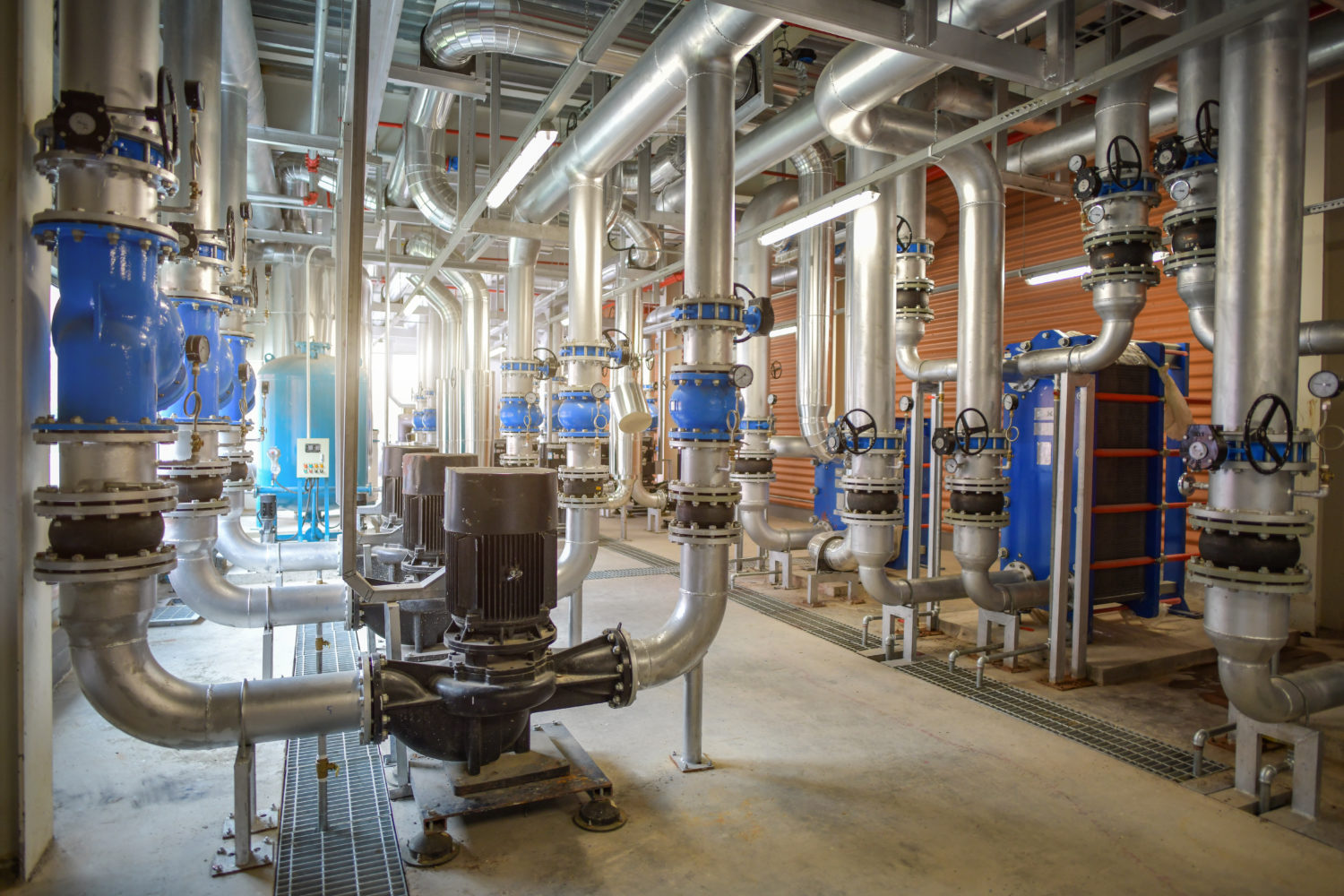
What Is the Purpose of a Vacuum Pump in an HVAC System?
In an HVAC (Heating, Ventilation, and Air Conditioning) system, a vacuum pump serves a crucial purpose. Here’s a detailed explanation:
The purpose of a vacuum pump in an HVAC system is to remove air and moisture from the refrigerant lines and the system itself. HVAC systems, particularly those that rely on refrigeration, operate under specific pressure and temperature conditions to facilitate the transfer of heat. To ensure optimal performance and efficiency, it is essential to evacuate any non-condensable gases, air, and moisture from the system.
Here are the key reasons why a vacuum pump is used in an HVAC system:
1. Removing Moisture: Moisture can be present within an HVAC system due to various factors, such as system installation, leaks, or improper maintenance. When moisture combines with the refrigerant, it can cause issues like ice formation, reduced system efficiency, and potential damage to system components. A vacuum pump helps remove moisture by creating a low-pressure environment, which causes the moisture to boil and turn into vapor, effectively evacuating it from the system.
2. Eliminating Air and Non-Condensable Gases: Air and non-condensable gases, such as nitrogen or oxygen, can enter an HVAC system during installation, repair, or through leaks. These gases can hinder the refrigeration process, affect heat transfer, and decrease system performance. By using a vacuum pump, technicians can evacuate the air and non-condensable gases, ensuring that the system operates with the designed refrigerant and pressure levels.
3. Preparing for Refrigerant Charging: Prior to charging the HVAC system with refrigerant, it is crucial to create a vacuum to remove any contaminants and ensure the system is clean and ready for optimal refrigerant circulation. By evacuating the system with a vacuum pump, technicians ensure that the refrigerant enters a clean and controlled environment, reducing the risk of system malfunctions and improving overall efficiency.
4. Leak Detection: Vacuum pumps are also used in HVAC systems for leak detection purposes. After evacuating the system, technicians can monitor the pressure to check if it holds steady. A significant drop in pressure indicates the presence of leaks, enabling technicians to identify and repair them before charging the system with refrigerant.
In summary, a vacuum pump plays a vital role in an HVAC system by removing moisture, eliminating air and non-condensable gases, preparing the system for refrigerant charging, and aiding in leak detection. These functions help ensure optimal system performance, energy efficiency, and longevity, while also reducing the risk of system malfunctions and damage.


editor by Dream 2024-04-24