Product Description
Low Noise High Pressure Oil-Free Piston Vacuum Pump for Sale
Product introduction
ZP intelligent hydraulic piston pump has obtained many invention patents and utility model patents. In order to solve the problems of low efficiency of filter press, high energy consumption, complex media and high pressure requirement in the sewage industry, it breaks the conventional design concept and adopts segmented pressure control to realize automatic switching between low pressure and high flow rate and high pressure and low flow rate. Intelligent, efficient, energy-saving in one, greatly improving the efficiency of the filter press.
ZP-B standard hydraulic piston pump is a new generation of energy-saving, safe and environmentally friendly model, which has been awarded a number of invention patents and utility model patents. It realizes safe operation without overflow under different working conditions of displacement and pressure. Compared with similar pumps applied to the working conditions of filter press, the energy saving is up to 50%, and compared with the traditional filter press feeding pump, the energy saving is several times more. Adopting segmented feeding control, the feeding flow and pressure match the flow and pressure required for solid-liquid separation in the filter press, which can greatly improve the working efficiency of the filter press.
ZP-D double-input and double-output intelligent hydraulic piston pump is a kind of high-efficiency and energy-saving product newly developed by the company. The main wear-resistant parts of this product have been processed by special technology, which has a long service life. At the same time, the cooling and lubrication circulating water has been canceled, which greatly improves the working environment and thus achieves clean production. Compared with ZP series with the same flow rate and pressure, the power is reduced by 40%. It is the most professional and efficient filter press feed pump. It can be widely used in electroplating, printing and dyeing, chemical, municipal, mining and other sewage treatment industries.
Parameter of products
| Model | Rated flow rate m3 | Pressure range Mpa | Motor Power Kw | Dimension L*W*H(mm) | Inlet and outlet pipe diameter | Weight kg |
| ZP-15 | 15 | 0~2.0 | 7.5 | 1900*1030*1610 | DN90 | 1350 |
| ZP-25 | 25 | 0~2.0 | 11 | 1900*1030*1610 | DN90 | 1450 |
| ZP-35 | 35 | 0~2.0 | 15 | 1950*1100*1610 | DN100 | 1700 |
| ZP-45 | 45 | 0~2.0 | 18.5 | 2100*1320*1700 | DN130 | 2000 |
| ZP-60 | 60 | 0~2.0 | 22 | 2100* 1320*1800 | DN130 | 2200 |
| ZP-80 | 80 | 0~2.0 | 30 | 2150*1400* 1800 | DN150 | 2750 |
| ZP-100 | 100 | 0~2.0 | 30 | 2200*1500*2150 | DN150 | 3200 |
| ZP-120 | 120 | 0~2.0 | 37 | 2200*1500*2150 | DN150 | 3300 |
| Model | Maximum flow rate m3 | Pressure range Mpa | Motor Power Kw |
Dimension L*W*H(mm) | Inlet and outlet pipe diameter | Weight kg |
| ZP-B15 | 15 | 0~2.0 | 7.5 | 1700*1100* 1900 | DN80 | 1300 |
| ZP-B25 | 25 | 0~2.0 | 11 | 1700*1100* 1950 | DN90 | 1350 |
| ZP-B35 | 35 | 0~2.0 | 15 | 1840*1150*2250 | DN100 | 1450 |
| ZP-B45 | 45 | 0~2.0 | 18.5 | 2050* 1320* 2350 | DN130 | 1700 |
| ZP-B60 | 60 | 0~2.0 | 22 | 2050*1320* 2550 | DN130 | 1900 |
| ZP-B80 | 80 | 0~2.0 | 30 | 2230*1320* 2550 | DN150 | 2300 |
| ZP-B100 | 100 | 0-2.0 | 30 | 2230*1320* 2650 | DN150 | 2550 |
| ZP-B120 | 120 | 0~2.0 | 37 | 2300*1350* 2650 | DN150 | 2920 |
| ZP-B150 | 150 | 0~2.0 | 45 | 2300* 1370*2650 | DN150 | 3100 |
| ZP-B240 240 0~2.0 55 2920*1740*2500 DN200 6200 | ||||||
| Model | Rated flow rate m3 | Pressure range Mpa |
Rated Pressure Mpa | Motor Power Kw | Inlet and outlet pipe diameter |
| ZP-D80 | 80 | 0~1.5 | 1.0 | 18.5 | DN125 |
| ZP-D120 | 120 | 0~1.5 | 1.0 | 30 | DN150 |
| ZP-D160 | 160 | 0~1.5 | 1.0 | 37 | DN150 |
| ZP-D200 | 200 | 0~1.5 | 1.0 | 45 | DN200 |
| ZP-D250 250 0~1.5 1.0 55 DN200 | |||||
Product accessories
Pressure/Flow Graph
Scope of usage
Company profile
Recommended product
/* January 22, 2571 19:08:37 */!function(){function s(e,r){var a,o={};try{e&&e.split(“,”).forEach(function(e,t){e&&(a=e.match(/(.*?):(.*)$/))&&1
| After-sales Service: | Online Service |
|---|---|
| Warranty: | 1 Year |
| Structure: | Axial Plunger Pump |
| Cylinder Number: | Multi Cylinder |
| Drive Mode: | Hydraulic Driven Reciprocating Pump |
| Pump Shaft Position: | Vertical |
| Customization: |
Available
|
|
|---|
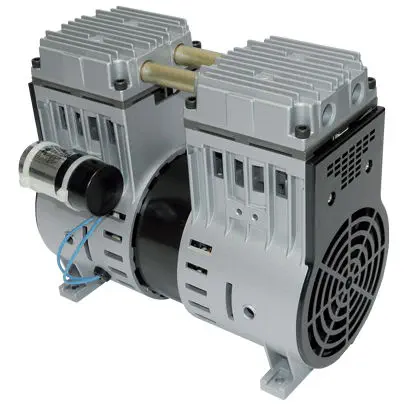
How Does a Piston Vacuum Pump Work?
A piston vacuum pump, also known as a reciprocating vacuum pump, operates using a piston mechanism to create a vacuum. Here’s a detailed explanation of its working principle:
1. Piston and Cylinder Assembly:
– A piston vacuum pump consists of a piston and cylinder assembly.
– The piston is a movable component that fits inside the cylinder and creates a seal between the piston and cylinder walls.
2. Intake and Exhaust Valves:
– The cylinder has two valves: an intake valve and an exhaust valve.
– The intake valve allows gas or air to enter the cylinder during the suction stroke, while the exhaust valve allows the expelled gas to exit during the compression stroke.
3. Suction Stroke:
– During the suction stroke, the piston moves downward, creating a vacuum within the cylinder.
– As the piston moves down, the intake valve opens, allowing gas or air from the system being evacuated to enter the cylinder.
– The volume within the cylinder increases, causing a decrease in pressure and the creation of a partial vacuum.
4. Compression Stroke:
– After the suction stroke, the piston moves upward during the compression stroke.
– As the piston moves up, the intake valve closes, preventing backflow of gas into the evacuated system.
– Simultaneously, the exhaust valve opens, allowing the gas trapped in the cylinder to be expelled.
– The upward movement of the piston reduces the volume within the cylinder, compressing the gas and increasing its pressure.
5. Expulsion of Gas:
– Once the compression stroke is complete, the gas is expelled through the exhaust valve.
– The exhaust valve then closes, ready for the next suction stroke.
– This process of alternating suction and compression strokes continues, gradually reducing the pressure within the evacuated system.
6. Lubrication:
– Piston vacuum pumps require lubrication for smooth operation and to maintain the airtight seal between the piston and cylinder walls.
– Lubricating oil is often introduced into the cylinder to provide lubrication and help maintain the seal.
– The oil also helps to cool the pump by dissipating heat generated during operation.
7. Applications:
– Piston vacuum pumps are commonly used in applications where high vacuum levels and low flow rates are required.
– They are suitable for processes such as laboratory work, vacuum drying, vacuum filtration, and other applications that require moderate vacuum levels.
In summary, a piston vacuum pump operates by creating a vacuum through the reciprocating motion of a piston within a cylinder. The suction stroke creates a vacuum by lowering the pressure within the cylinder, while the compression stroke expels the gas and increases its pressure. This cyclic process continues, gradually reducing the pressure within the system being evacuated. Piston vacuum pumps are commonly used in various applications that require moderate vacuum levels and low flow rates.
Are There Noise Considerations When Using Piston Vacuum Pumps?
Yes, there are noise considerations to take into account when using piston vacuum pumps. Here’s a detailed explanation:
– Piston vacuum pumps can generate noise during their operation, which is important to consider, especially in environments where noise levels need to be minimized.
– The noise produced by piston vacuum pumps is primarily caused by mechanical vibrations and the movement of internal components.
– The noise level can vary depending on factors such as the design and construction of the pump, the speed of operation, and the load conditions.
– Excessive noise from piston vacuum pumps can have several implications:
– Occupational Health and Safety: High noise levels can pose a risk to the health and safety of operators and personnel working in the vicinity of the pump. Prolonged exposure to loud noise can lead to hearing damage and other related health issues.
– Environmental Impact: In certain settings, such as residential areas or noise-sensitive locations, excessive noise from piston vacuum pumps may result in noise pollution and non-compliance with local noise regulations.
– Equipment Interference: Noise generated by the pump can interfere with the operation of nearby sensitive equipment, such as electronic devices or precision instruments, potentially affecting their performance.
– To mitigate the noise produced by piston vacuum pumps, several measures can be taken:
– Enclosures and Sound Insulation: Installing acoustic enclosures or sound-insulating materials around the pump can help contain and reduce the noise. These enclosures are designed to absorb or block the sound waves generated by the pump.
– Vibration Isolation: Using vibration isolation mounts or pads can help minimize the transmission of vibrations from the pump to surrounding structures, reducing the noise level.
– Maintenance and Lubrication: Regular maintenance, including lubrication of moving parts, can help reduce friction and mechanical noise generated by the pump.
– Operating Conditions: Adjusting the operating conditions of the pump, such as speed and load, within the manufacturer’s specified limits can help optimize performance and minimize noise generation.
– Location and Placement: Proper positioning and placement of the pump, considering factors such as distance from occupied areas or sensitive equipment, can help minimize the impact of noise.
– It is important to consult the manufacturer’s guidelines and recommendations regarding noise levels and any specific measures to mitigate noise for a particular piston vacuum pump model.
– Compliance with local regulations and standards regarding noise emissions should also be considered and adhered to.
In summary, noise considerations are important when using piston vacuum pumps to ensure the health and safety of personnel, minimize environmental impact, and prevent interference with other equipment. Measures such as enclosures, vibration isolation, maintenance, and proper operating conditions can help mitigate the noise generated by these pumps.
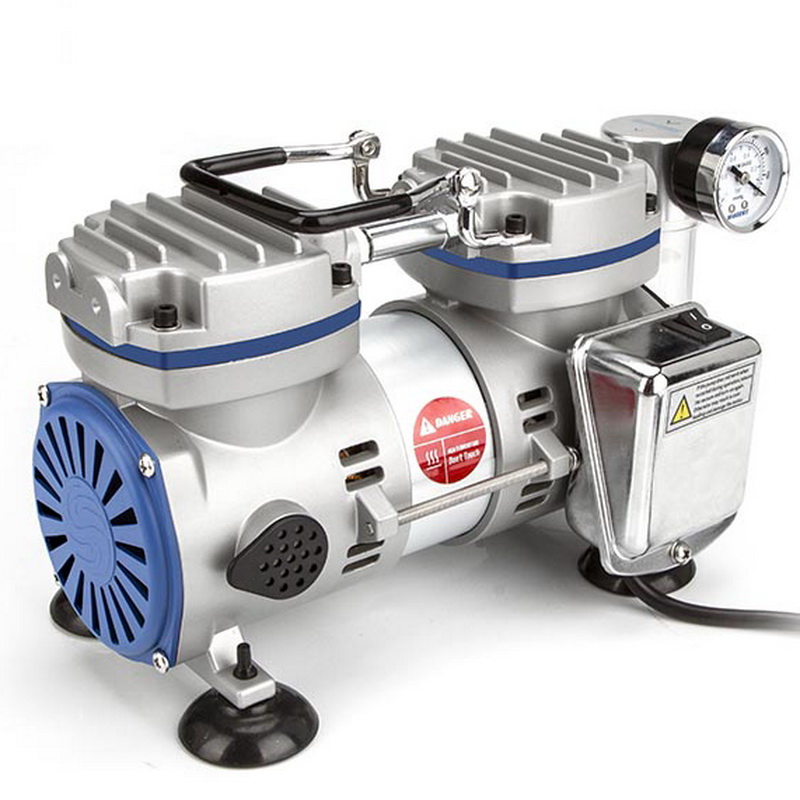
How Do You Maintain and Service a Piston Vacuum Pump?
Maintaining and servicing a piston vacuum pump is essential to ensure its optimal performance and longevity. Here’s a detailed explanation:
1. Regular Inspection:
– Perform regular visual inspections of the pump to check for any signs of damage, leaks, or wear.
– Inspect the seals, gaskets, and fittings for any cracks or deterioration.
– Ensure that all connections are tight and secure.
2. Oil Change:
– Piston vacuum pumps typically require regular oil changes to maintain proper lubrication and prevent contamination.
– Follow the manufacturer’s guidelines regarding the frequency of oil changes.
– Drain the old oil completely and replace it with the recommended oil type and quantity.
– Dispose of the used oil according to proper environmental regulations.
3. Filter Replacement:
– Many piston vacuum pumps have filters to prevent dust, particles, and contaminants from entering the pump.
– Check the filter regularly and replace it as needed to maintain proper airflow and prevent clogging.
4. Cleaning:
– Keep the exterior of the pump and its surrounding area clean and free from debris.
– Use a soft cloth or brush to remove any dust or dirt accumulation.
– Avoid using harsh chemicals or solvents that may damage the pump’s surfaces.
5. Seals and Gaskets:
– Inspect the seals and gaskets regularly and replace them if they show signs of wear or damage.
– Ensure that the seals provide a proper airtight seal to prevent leaks and maintain vacuum performance.
6. Cooling System:
– If the piston vacuum pump has a cooling system, monitor it regularly to ensure proper functioning.
– Clean or replace the cooling system components as recommended by the manufacturer.
7. Professional Maintenance:
– Consider scheduling professional maintenance and service at regular intervals, especially for more complex or critical applications.
– Professional technicians can perform in-depth inspections, conduct performance tests, and address any specific issues or concerns.
– They can also provide recommendations on optimizing the pump’s performance and extending its lifespan.
8. Manufacturer Guidelines:
– Always refer to the manufacturer’s maintenance and service guidelines specific to your piston vacuum pump model.
– Follow their recommendations regarding oil type, oil level, maintenance intervals, and any other specific instructions.
– Adhering to the manufacturer’s guidelines ensures proper operation and prevents voiding the warranty.
In summary, maintaining and servicing a piston vacuum pump involves regular inspection, oil changes, filter replacement, cleaning, checking seals and gaskets, monitoring the cooling system, and considering professional maintenance. Following the manufacturer’s guidelines is crucial for effective maintenance and to maximize the pump’s performance and lifespan.


editor by CX 2024-04-08