Product Description
Product Description
2BE series water ring vacuum pump and compressor, based on many years of scientific research results and production experience, combined with the international advanced technology of similar products, developed high efficiency and energy saving products, usually used for pumping no CHINAMFG particles, insoluble in water, no corrosion gas, in order to form a vacuum and pressure in a closed container. By changing the structure material, it can also be used to suck corrosive gas or to use corrosive liquid as working fluid. Widely used in papermaking, chemical, petrochemical, light industry, pharmaceutical, food, metallurgy, building materials, electrical appliances, coal washing, mineral processing, chemical fertilizer and other industries.
This series of pumps uses the CHINAMFG single action structure, has the advantages of simple structure, convenient maintenance, reliable operation, high efficiency and energy saving, and can adapt to large displacement, load impact fluctuation and other harsh conditions.
The key components, such as the distribution plate, impeller and pump shaft, have been optimized to simplify the structure, improve the performance and achieve energy saving. The welding impeller is used, the blade is pressed and formed once, and the shape line is reasonable; Hub processing, fundamentally solve the dynamic balance problem. Impeller and pump shaft are fitted with hot filling interference, reliable performance. It runs smoothly. After the impeller is welded, the whole is subjected to good heat treatment, and the blade has good toughness, so that the impact resistance and bending resistance of the blade can be fundamentally guaranteed, and it can adapt to the bad working conditions of load impact fluctuation.
2BE series pump, with air and water separator, multi-position exhaust port, pump cover is provided with exhaust valve overhaul window, impeller and distribution plate clearance through positioning bearing gland at both ends of the adjustment, easy to install and use, simple operation, easy maintenance.
Pump structure
The performance curve of this series of pumps is measured under the following working conditions: the suction medium is 20°C saturated air, the working liquid temperature is 15°C, the exhaust pressure is 1013mbar, and the deviation of soil is 10%.
Structure declaration
2BEA-10-25 Structure diagram
1.Flat key 2. Shaft 3. Oil deflector 4. Bearing cap 5. Bearings 6. Bearing bracket 7.Brasque cover
8.Brasque body 9. Brasque ring 10. Brasque 11.Valve plate 12. Valve block
13.Front distribution plate 14.Pump body 15. Impeller 16. O seal ring.
17.Back distribution plate 18. Side cover. 19. Flat key 20. Axle sleeve 21. Elastic collar
22.Water retaining ring 23. Adjusting washer 24. Rear bearing body 25. Bearing screw cap
26.Bearing 27. Bolt
2BEA-30-70 Structure diagram
1.Flat key 2. Shaft 3. Oil deflector 4. Front bearing retainer 5. Front bearing body
6. Front bearing inner cover 7. Front side cover 8. Brasque cover 9. Brasque body 10. Brasque ring
11. Brasque 12. Front distribution plate 13. Pump body 14. Impeller 15. O seal ring
16. Valve block 17. Valve plate 18. Back distribution plate 19. Axle sleeve 20. Flat key
21. Back side cover 22. Water retaining ring 23. Rear bearing inner cover 24. Bearing
25. Adjusting washer 26. Oil block 27. Rear bearing outer cover 28. Back bearing body
29. Oil baffle disc 30. Elastic retainer or circular spiral
Product Parameters
| Model | 2BEA SERIES | |
| Minimum suction absolute pressure (hPa) | 33-160 | |
| Suction intensity(m³/min) | Absolute inhalation capacity 60hPa | 3,95-336 |
| Absolute inhalation capacity 100hPa | 4.58-342 | |
| Absolute inhalation capacity 200hPa | 4.87-352 | |
| Absolute inhalation capacity 400hPa | 4.93-353 | |
| Max. shaft power(kw) | 7-453 | |
| Motor power(kw) | 11-560 | |
| Speed(rpm) | 197-1750 | |
| Weight(kg) | 235-11800 | |
| Size | 795*375*355mm-3185*2110*2045mm | |
| Model | 2BEC SERIES | |
| Minimum suction absolute pressure (hPa) | 160 | |
| Suction intensity(m³/min) | Absolute inhalation capacity 60hPa | 63-1700 |
| Absolute inhalation capacity 100hPa | 64-1738 | |
| Absolute inhalation capacity 200hPa | 65-1785 | |
| Absolute inhalation capacity 400hPa | 67-1800 | |
| Absolute inhalation capacity 550hPa | 68-1830 | |
| Max. shaft power(kw) | 61-2100 | |
| Motor power(kw) | 75-2240 | |
| Speed(rpm) | 105-610 | |
| Weight(kg) | 2930-57500 | |
| Size | 2102*1320*1160mm-5485*3560*3400mm | |
Detailed Photos
Operation site
Company presentation
RFQ
Q1. What is your terms of packing?
A: Generally, we pack our goods in neutral export wooden case . If you have legally registered patent, we can pack the goods in
wooden case with your own marks after getting your authorization letters.
Q2. What is your termsof payment?
A: T/T 30% as deposit, and 70% before delivery. We’ll show you the photos of the products and packages before you pay the balance.
Q3. What is your terms of delivery?
A: EXW, FOB, CFR, CIF, etc.
Q4. How about your delivery time?
A: Generally, it will take from 10 dasys to 30 days after receiving your advance payment according to the pump’s material. The
specific delivery time also depends on the items and the quantity of your order.
Q5. Can you produce according to the samples?
A: Yes, we can produce by your samples or technical drawings. We can build the molds and fixtures.
Q6. What is your sample policy?
A: We can supply the sample if we have ready parts in stock, but the customers have to pay the sample cost and the courier cost.
Q7. Do you test all your goods before delivery?
A: Yes, we have 100% test the pumps before delivery .
Q8: How do you make our business long-term and good relationship?
A. We keep good quality and competitive price to ensure our customers benefit ;
B. We respect every customer as our friend and we sincerely do business and make friends with them, no matter where they are from.
You may also like
| After-sales Service: | Online |
|---|---|
| Warranty: | 1 Years |
| Oil or Not: | Oil Free |
| Structure: | Rotary Vacuum Pump |
| Exhauster Method: | Kinetic Vacuum Pump |
| Vacuum Degree: | High Vacuum |
| Customization: |
Available
|
|
|---|
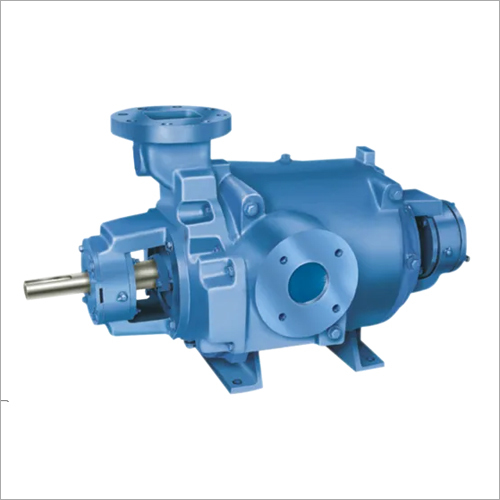
What Is the Impact of Altitude on Vacuum Pump Performance?
The performance of vacuum pumps can be influenced by the altitude at which they are operated. Here’s a detailed explanation:
Altitude refers to the elevation or height above sea level. As the altitude increases, the atmospheric pressure decreases. This decrease in atmospheric pressure can have several effects on the performance of vacuum pumps:
1. Reduced Suction Capacity: Vacuum pumps rely on the pressure differential between the suction side and the discharge side to create a vacuum. At higher altitudes, where the atmospheric pressure is lower, the pressure differential available for the pump to work against is reduced. This can result in a decrease in the suction capacity of the vacuum pump, meaning it may not be able to achieve the same level of vacuum as it would at lower altitudes.
2. Lower Ultimate Vacuum Level: The ultimate vacuum level, which represents the lowest pressure that a vacuum pump can achieve, is also affected by altitude. As the atmospheric pressure decreases with increasing altitude, the ultimate vacuum level that can be attained by a vacuum pump is limited. The pump may struggle to reach the same level of vacuum as it would at sea level or lower altitudes.
3. Pumping Speed: Pumping speed is a measure of how quickly a vacuum pump can remove gases from a system. At higher altitudes, the reduced atmospheric pressure can lead to a decrease in pumping speed. This means that the vacuum pump may take longer to evacuate a chamber or system to the desired vacuum level.
4. Increased Power Consumption: To compensate for the decreased pressure differential and achieve the desired vacuum level, a vacuum pump operating at higher altitudes may require higher power consumption. The pump needs to work harder to overcome the lower atmospheric pressure and maintain the necessary suction capacity. This increased power consumption can impact energy efficiency and operating costs.
5. Efficiency and Performance Variations: Different types of vacuum pumps may exhibit varying degrees of sensitivity to altitude. Oil-sealed rotary vane pumps, for example, may experience more significant performance variations compared to dry pumps or other pump technologies. The design and operating principles of the vacuum pump can influence its ability to maintain performance at higher altitudes.
It’s important to note that vacuum pump manufacturers typically provide specifications and performance curves for their pumps based on standardized conditions, often at or near sea level. When operating a vacuum pump at higher altitudes, it is advisable to consult the manufacturer’s guidelines and consider any altitude-related limitations or adjustments that may be necessary.
In summary, the altitude at which a vacuum pump operates can have an impact on its performance. The reduced atmospheric pressure at higher altitudes can result in decreased suction capacity, lower ultimate vacuum levels, reduced pumping speed, and potentially increased power consumption. Understanding these effects is crucial for selecting and operating vacuum pumps effectively in different altitude environments.
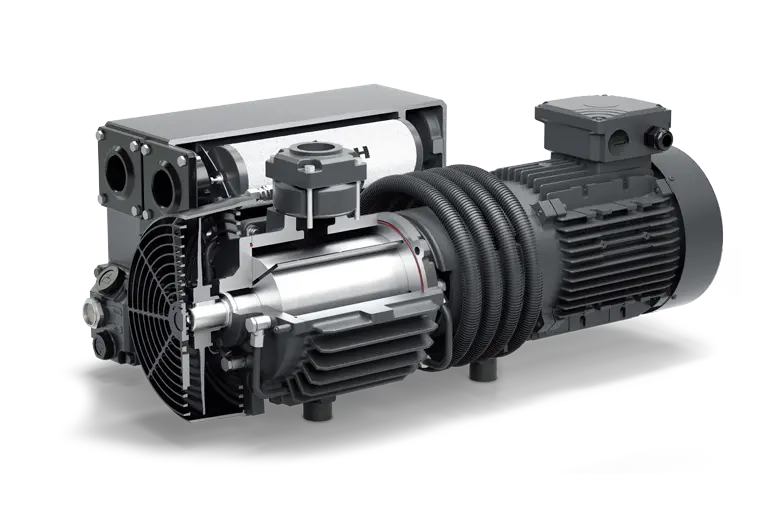
How Do Vacuum Pumps Impact the Quality of 3D Printing?
Vacuum pumps play a significant role in improving the quality and performance of 3D printing processes. Here’s a detailed explanation:
3D printing, also known as additive manufacturing, is a process of creating three-dimensional objects by depositing successive layers of material. Vacuum pumps are utilized in various aspects of 3D printing to enhance the overall quality, accuracy, and reliability of printed parts. Here are some key ways in which vacuum pumps impact 3D printing:
1. Material Handling and Filtration: Vacuum pumps are used in 3D printing systems to handle and control the flow of materials. They create the necessary suction force to transport powdered materials, such as polymers or metal powders, from storage containers to the printing chamber. Vacuum systems also assist in filtering and removing unwanted particles or impurities from the material, ensuring the purity and consistency of the feedstock. This helps to prevent clogging or contamination issues during the printing process.
2. Build Plate Adhesion: Proper adhesion of the printed object to the build plate is crucial for achieving dimensional accuracy and preventing warping or detachment during the printing process. Vacuum pumps are employed to create a vacuum environment or suction force that securely holds the build plate and ensures firm adhesion between the first layer of the printed object and the build surface. This promotes stability and minimizes the risk of layer shifting or deformation during the printing process.
3. Material Drying: Many 3D printing materials, such as filament or powdered polymers, can absorb moisture from the surrounding environment. Moisture-contaminated materials can lead to poor print quality, reduced mechanical properties, or defects in the printed parts. Vacuum pumps with integrated drying capabilities can be employed to create a low-pressure environment, effectively removing moisture from the materials before they are used in the printing process. This ensures the dryness and quality of the materials, resulting in improved print outcomes.
4. Resin Handling in Stereolithography (SLA): In SLA 3D printing, a liquid resin is selectively cured using light sources to create the desired object. Vacuum pumps are utilized to facilitate the resin handling process. They can be employed to degas or remove air bubbles from the liquid resin, ensuring a smooth and bubble-free flow during material dispensing. This helps to prevent defects and imperfections caused by trapped air or bubbles in the final printed part.
5. Enclosure Pressure Control: Some 3D printing processes, such as selective laser sintering (SLS) or binder jetting, require the printing chamber to be maintained at a specific pressure or controlled atmosphere. Vacuum pumps are used to create a controlled low-pressure or vacuum environment within the printing chamber, enabling precise pressure regulation and maintaining the desired conditions for optimal printing results. This control over the printing environment helps to prevent oxidation, improve material flow, and enhance the quality and consistency of printed parts.
6. Post-Processing and Cleaning: Vacuum pumps can also aid in post-processing steps and cleaning of 3D printed parts. For instance, in processes like support material removal or surface finishing, vacuum systems can assist in the removal of residual support structures or excess powder from printed objects. They can also be employed in vacuum-based cleaning methods, such as vapor smoothing, to achieve smoother surface finishes and enhance the aesthetics of the printed parts.
7. System Maintenance and Filtration: Vacuum pumps used in 3D printing systems require regular maintenance and proper filtration to ensure their efficient and reliable operation. Effective filtration systems within the vacuum pumps help to remove any contaminants or particles generated during printing, preventing their circulation and potential deposition on the printed parts. This helps to maintain the cleanliness of the printing environment and minimize the risk of defects or impurities in the final printed objects.
In summary, vacuum pumps have a significant impact on the quality of 3D printing. They contribute to material handling and filtration, build plate adhesion, material drying, resin handling in SLA, enclosure pressure control, post-processing and cleaning, as well as system maintenance and filtration. By utilizing vacuum pumps in these critical areas, 3D printing processes can achieve improved accuracy, dimensional stability, material quality, and overall print quality.
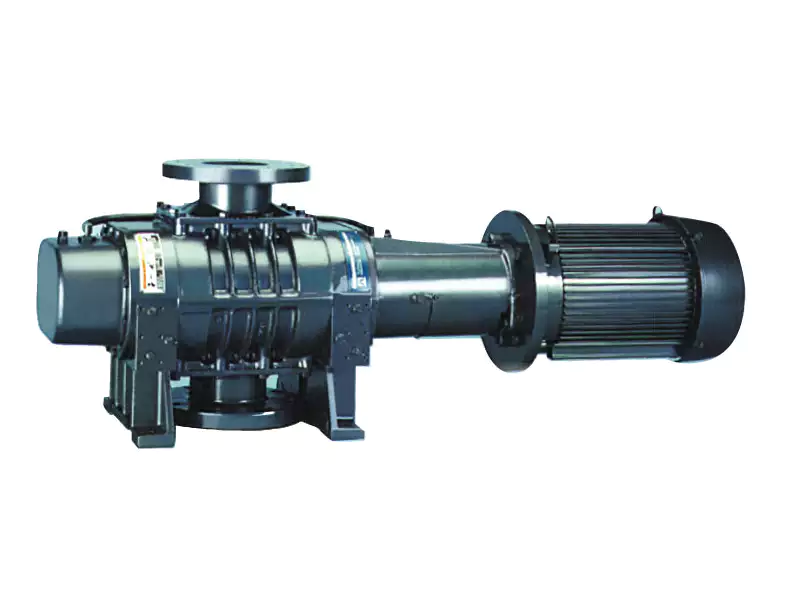
Can Vacuum Pumps Be Used in the Medical Field?
Yes, vacuum pumps have a wide range of applications in the medical field. Here’s a detailed explanation:
Vacuum pumps play a crucial role in various medical applications, providing suction or creating controlled vacuum environments. Here are some key areas where vacuum pumps are used in the medical field:
1. Negative Pressure Wound Therapy (NPWT):
Vacuum pumps are extensively utilized in negative pressure wound therapy, a technique used to promote wound healing. In NPWT, a vacuum pump creates a controlled low-pressure environment within a wound dressing, facilitating the removal of excess fluid, promoting blood flow, and accelerating the healing process.
2. Surgical Suction:
Vacuum pumps are an integral part of surgical suction systems. They provide the necessary suction force to remove fluids, gases, or debris from the surgical site during procedures. Surgical suction helps maintain a clear field of view for surgeons, enhances tissue visualization, and contributes to a sterile operating environment.
3. Anesthesia:
In anesthesia machines, vacuum pumps are used to create suction for various purposes:
– Airway Suction: Vacuum pumps assist in airway suctioning to clear secretions or obstructions from the patient’s airway during anesthesia or emergency situations.
– Evacuation of Gases: Vacuum pumps aid in removing exhaled gases from the patient’s breathing circuit, ensuring the delivery of fresh gas mixtures and maintaining appropriate anesthesia levels.
4. Laboratory Equipment:
Vacuum pumps are essential components in various medical laboratory equipment:
– Vacuum Ovens: Vacuum pumps are used in vacuum drying ovens, which are utilized for controlled drying or heat treatment of sensitive materials, samples, or laboratory glassware.
– Centrifugal Concentrators: Vacuum pumps are employed in centrifugal concentrators to facilitate the concentration or dehydration of biological samples, such as DNA, proteins, or viruses.
– Freeze Dryers: Vacuum pumps play a vital role in freeze-drying processes, where samples are frozen and then subjected to vacuum conditions to remove water via sublimation, preserving the sample’s structure and integrity.
5. Medical Suction Devices:
Vacuum pumps are utilized in standalone medical suction devices, commonly found in hospitals, clinics, and emergency settings. These devices create suction required for various medical procedures, including:
– Suctioning of Respiratory Secretions: Vacuum pumps assist in removing respiratory secretions or excess fluids from the airways of patients who have difficulty coughing or clearing their airways effectively.
– Thoracic Drainage: Vacuum pumps are used in chest drainage systems to evacuate air or fluid from the pleural cavity, helping in the treatment of conditions such as pneumothorax or pleural effusion.
– Obstetrics and Gynecology: Vacuum pumps are employed in devices used for vacuum-assisted deliveries, such as vacuum extractors, to aid in the safe delivery of babies during childbirth.
6. Blood Collection and Processing:
Vacuum pumps are utilized in blood collection systems and blood processing equipment:
– Blood Collection Tubes: Vacuum pumps are responsible for creating the vacuum inside blood collection tubes, facilitating the collection of blood samples for diagnostic testing.
– Blood Separation and Centrifugation: In blood processing equipment, vacuum pumps assist in the separation of blood components, such as red blood cells, plasma, and platelets, for various medical procedures and treatments.
7. Medical Imaging:
Vacuum pumps are used in certain medical imaging techniques:
– Electron Microscopy: Electron microscopes, including scanning electron microscopes and transmission electron microscopes, require a vacuum environment for high-resolution imaging. Vacuum pumps are employed to maintain the necessary vacuum conditions within the microscope chambers.
These are just a few examples of the wide-ranging applications of vacuum pumps in the medical field. Their ability to create suction and controlled vacuum environments makes them indispensable in medical procedures, wound healing, laboratory processes, anesthesia, and various other medical applications.


editor by CX 2023-12-02