Product Description
all type of vacuum pump
technical data:
material: cast iron, Alumnium,bronze,stainless steel etc material;
flow: 280m 3/h; power: 185kw; temperature of air: 0–80 0 C;
sediment content of water: max 350g/m 3, PH: 2—10;
Working principle of water ring vacuum pump / liquid ring vacuum pump
The water-ring vacuum pump is a kind of coarse vacuum pump. The limit vacuum it can obtain is 2000-4000 Pa. The series air ejector can reach 270-670 Pa. Water ring pump can also be used as compressor, called water ring compressor, is a low-pressure compressor, its pressure range is 1-2X10⁵ Pa meter pressure.
Water-ring vacuum pumps were originally used as self-suction pumps, and then gradually used in petroleum, chemical, mechanical, mining, light industry, medicine and food and many other industrial sectors. In many industrial processes, such as vacuum filtration, vacuum water diversion, vacuum feeding, vacuum evaporation, vacuum concentration, vacuum moisture regain and vacuum degassing, water ring pump has been widely used. Due to the rapid development of vacuum application technology, water ring pump has been paid much attention in obtaining coarse vacuum. Because the gas compression in the water ring pump is isothermal, it can extract flammable and explosive gases, in addition, it can also extract dust, water-bearing gases, so the application of water ring pump is increasing.
The pump body contains proper amount of water as working fluid. When the impeller rotates clockwise in the diagram, the water is thrown around by the impeller. Due to the centrifugal force, the water forms a closed ring which is approximately equal to the thickness of the pump cavity. The inner surface of the lower part of the water ring is exactly tangent to the hub of the impeller, and the upper inner surface of the water ring is just at the tip of the blade (in fact, the blade has a certain insertion depth in the water ring). At this time, a crescent space is formed between the hub and the water ring of the impeller, which is divided into several small cavities equal to the number of blades. If the lower zero of the impeller is taken as the starting point, the area of the small cavity increases from small to large when the impeller rotates 180 degrees, and is connected with the suction port on the end face. At this time, the gas is sucked in, and the small cavity is isolated from the suction port when the suction is finished. When the mouth is connected, the gas is discharged out of the pump.
In summary, the water ring pump is to achieve suction, compression and exhaust by changing the volume of the pump chamber, so it belongs to variable volume vacuum pump.
Usage: Extraction of groundwater, marine platforms, mining, building water supply, agricultural irrigation, landscape design, fire protection systems, geothermal springs, reverse osmosis systems
Submersible pumps play an important role in production and life. We should pay attention to the following points when using them.
First, when choosing submersible pumps, we should pay attention to its type, flow and lift. If the specifications are not suitable, it will not be able to get enough water output and the efficiency of the unit can not be brought into play. In addition, we should also know the direction of rotation of the motor, some types of submersible pumps can be reversed when the CZPT and reverse water, but reversal of water output is small, large current, its reversal will damage the motor winding. Electric leakage protection switch should be installed to prevent electric leakage accident of submersible pump when working under water.
Two. When installing small submersible pump, the cable should be overhead and the power cord should not be too long. When the unit is launched, do not force the cable, so as not to cause the power cord to break. The submersible pump should not sink into the mud, otherwise it will cause bad heat dissipation and burn the motor winding.
Three, try to avoid starting at low voltage. Power supply voltage and rated voltage can not be 10%, too high voltage will cause motor overheating and burn out the winding, too low voltage will reduce the motor speed, such as less than 70% of the rated speed, the start of the centrifugal switch will be closed, resulting in long-term power on the start-up winding and even burn out the windings and capacitors. Do not switch the motor frequently, this is because when the pump stops running, there will be reflux. If you start the motor immediately, the load will start, resulting in excessive starting current and burning out the winding.
4. Do not let the pump long-term overload operation, do not pump sediment-laden water, pump dehydration operation time should not be too long, in order to avoid the motor overheating and burning. During the operation of the unit, the operator must always observe whether the operating voltage and current are within the specified values on the nameplate. If not, the motor should be stopped, find out the cause and troubleshoot.
Fifth, usually check the motor, such as found cracks in the lower cover, rubber seal ring damage or failure, should be replaced or repaired in time to waterproof infiltration machine.
our company located in HangZhou where famous hometown of water pump ,with a long history of producing water pump and many years of experience.
we’ll supply the best quality with cheaper price and accurately pump type for you. /* March 10, 2571 17:59:20 */!function(){function s(e,r){var a,o={};try{e&&e.split(“,”).forEach(function(e,t){e&&(a=e.match(/(.*?):(.*)$/))&&1
| Transport Package: | Bare or Wooden Case |
|---|---|
| Trademark: | 86baiwang |
| Origin: | Zibo, China |
| Customization: |
Available
|
|
|---|
.shipping-cost-tm .tm-status-off{background: none;padding:0;color: #1470cc}
|
Shipping Cost:
Estimated freight per unit. |
about shipping cost and estimated delivery time. |
|---|
| Payment Method: |
|
|---|---|
|
Initial Payment Full Payment |
| Currency: | US$ |
|---|
| Return&refunds: | You can apply for a refund up to 30 days after receipt of the products. |
|---|
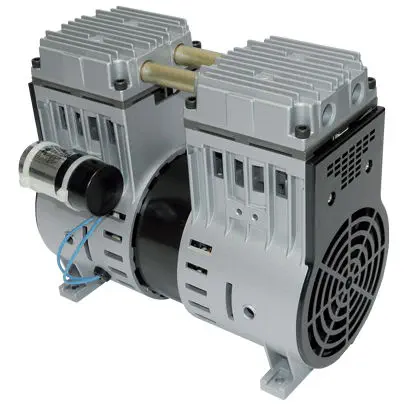
How Does a Piston Vacuum Pump Work?
A piston vacuum pump, also known as a reciprocating vacuum pump, operates using a piston mechanism to create a vacuum. Here’s a detailed explanation of its working principle:
1. Piston and Cylinder Assembly:
– A piston vacuum pump consists of a piston and cylinder assembly.
– The piston is a movable component that fits inside the cylinder and creates a seal between the piston and cylinder walls.
2. Intake and Exhaust Valves:
– The cylinder has two valves: an intake valve and an exhaust valve.
– The intake valve allows gas or air to enter the cylinder during the suction stroke, while the exhaust valve allows the expelled gas to exit during the compression stroke.
3. Suction Stroke:
– During the suction stroke, the piston moves downward, creating a vacuum within the cylinder.
– As the piston moves down, the intake valve opens, allowing gas or air from the system being evacuated to enter the cylinder.
– The volume within the cylinder increases, causing a decrease in pressure and the creation of a partial vacuum.
4. Compression Stroke:
– After the suction stroke, the piston moves upward during the compression stroke.
– As the piston moves up, the intake valve closes, preventing backflow of gas into the evacuated system.
– Simultaneously, the exhaust valve opens, allowing the gas trapped in the cylinder to be expelled.
– The upward movement of the piston reduces the volume within the cylinder, compressing the gas and increasing its pressure.
5. Expulsion of Gas:
– Once the compression stroke is complete, the gas is expelled through the exhaust valve.
– The exhaust valve then closes, ready for the next suction stroke.
– This process of alternating suction and compression strokes continues, gradually reducing the pressure within the evacuated system.
6. Lubrication:
– Piston vacuum pumps require lubrication for smooth operation and to maintain the airtight seal between the piston and cylinder walls.
– Lubricating oil is often introduced into the cylinder to provide lubrication and help maintain the seal.
– The oil also helps to cool the pump by dissipating heat generated during operation.
7. Applications:
– Piston vacuum pumps are commonly used in applications where high vacuum levels and low flow rates are required.
– They are suitable for processes such as laboratory work, vacuum drying, vacuum filtration, and other applications that require moderate vacuum levels.
In summary, a piston vacuum pump operates by creating a vacuum through the reciprocating motion of a piston within a cylinder. The suction stroke creates a vacuum by lowering the pressure within the cylinder, while the compression stroke expels the gas and increases its pressure. This cyclic process continues, gradually reducing the pressure within the system being evacuated. Piston vacuum pumps are commonly used in various applications that require moderate vacuum levels and low flow rates.
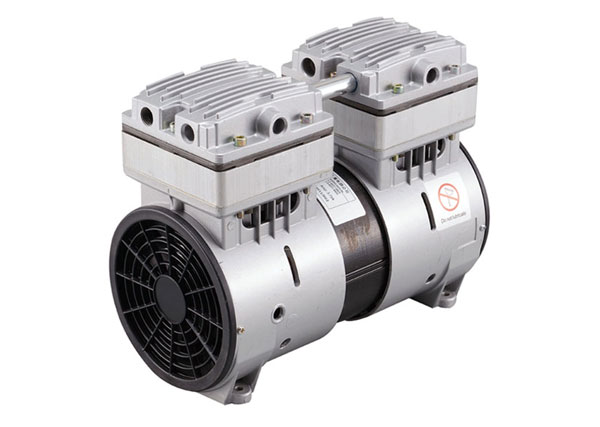
What Are the Safety Precautions for Operating Piston Vacuum Pumps?
Operating piston vacuum pumps requires adherence to safety precautions to ensure the well-being of personnel and the proper functioning of the equipment. Here’s a detailed explanation of the safety precautions for operating piston vacuum pumps:
– Familiarize Yourself with the User Manual: Before operating a piston vacuum pump, thoroughly read and understand the user manual provided by the manufacturer. The manual contains important safety guidelines specific to the pump model.
– Personal Protective Equipment (PPE): Always wear appropriate personal protective equipment, such as safety goggles, gloves, and hearing protection, when operating the pump. This helps protect against potential hazards, including chemical exposure, flying debris, and noise.
– Ventilation: Ensure that the area where the pump is operated has adequate ventilation. Proper ventilation helps prevent the accumulation of fumes, vapors, or hazardous gases that may be generated during the pumping process.
– Electrical Safety: Follow electrical safety precautions, including proper grounding and connection of the pump to a suitable power source. Inspect power cords and plugs for any damage before use, and avoid using the pump in wet or damp environments.
– Pressure and Vacuum Limits: Operate the pump within its specified pressure and vacuum limits. Exceeding these limits can lead to equipment failure, compromising safety and performance.
– Overpressure Protection: Ensure the pump has appropriate overpressure protection mechanisms, such as relief valves or pressure sensors, to prevent excessive pressure buildup. Regularly inspect and maintain these safety devices to ensure their proper functioning.
– Cooling and Temperature: Pay attention to the cooling requirements of the pump. Adequate cooling is necessary to prevent overheating and potential damage to the pump. Avoid blocking or obstructing cooling vents or fins. Monitor the pump’s temperature during operation and follow any temperature-related guidelines provided by the manufacturer.
– Maintenance and Inspection: Regularly inspect and maintain the pump according to the manufacturer’s recommendations. This includes cleaning, lubricating, and replacing parts as necessary. Perform maintenance tasks only when the pump is turned off and disconnected from the power source.
– Emergency Stop: Familiarize yourself with the location and operation of the emergency stop button or switch on the pump. In case of any emergency or abnormal situation, immediately activate the emergency stop to shut down the pump safely.
– Training and Competence: Ensure that operators are adequately trained and competent to operate the piston vacuum pump. Proper training helps minimize the risks associated with incorrect operation or handling of the equipment.
– Hazardous Materials: If the pump is used with hazardous materials, follow appropriate safety protocols for handling, containment, and disposal. Be aware of the potential risks associated with the materials being pumped and take necessary precautions to mitigate those risks.
– Warning Signs and Labels: Pay attention to warning signs, labels, and markings on the pump, including safety instructions, hazard warnings, and operating instructions. Follow these instructions carefully to ensure safe operation.
– Emergency Procedures: Establish and communicate clear emergency procedures in case of accidents, spills, or other hazardous situations. Ensure that operators are aware of these procedures and know how to respond appropriately.
– Regular Risk Assessment: Conduct regular risk assessments of the pump operation to identify potential hazards and implement appropriate safety measures. Periodically review and update safety protocols based on the results of these assessments.
– Emergency Response Resources: Keep appropriate emergency response resources readily available, such as fire extinguishers, spill kits, and emergency eyewash stations, in case of accidents or spills.
In summary, operating piston vacuum pumps safely requires following several key safety precautions, including familiarizing yourself with the user manual, using appropriate personal protective equipment, ensuring proper ventilation, adhering to electrical safety guidelines, operating within pressure and vacuum limits, maintaining cooling requirements, performing regular maintenance and inspections, being aware of emergency stop procedures, providing adequate training and competence, handling hazardous materials safely, paying attention to warning signs and labels, establishing emergency procedures, conducting risk assessments, and keeping emergency response resources available.
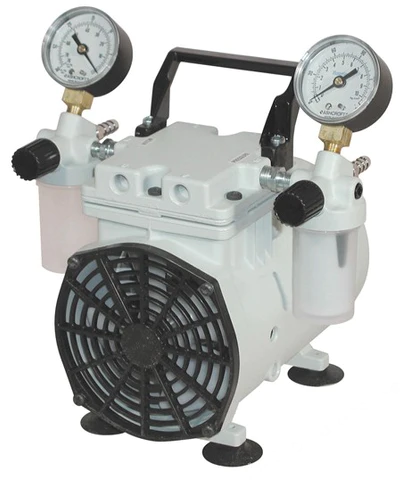
Can Piston Vacuum Pumps Handle Corrosive Gases or Vapors?
Piston vacuum pumps are generally not suitable for handling corrosive gases or vapors. Here’s a detailed explanation:
1. Construction Materials:
– Piston vacuum pumps are typically constructed with materials such as cast iron, aluminum, stainless steel, and various elastomers.
– While these materials offer good resistance to normal operating conditions, they may not be compatible with corrosive substances.
– Corrosive gases or vapors can attack and degrade the pump’s internal components, leading to reduced performance, increased wear, and potential failure.
2. Sealing and Contamination:
– Piston vacuum pumps rely on tight seals and clearances to maintain the vacuum and prevent leakage.
– Corrosive gases or vapors can degrade the seals and compromise their effectiveness.
– This can result in increased leakage, reduced pumping efficiency, and potential contamination of the pump and the surrounding environment.
3. Maintenance and Service:
– Handling corrosive gases or vapors requires specialized knowledge, materials, and maintenance procedures.
– The pump may need additional protective measures, such as corrosion-resistant coatings or specialized seal materials, to withstand the corrosive environment.
– Regular inspection, cleaning, and replacement of components may also be necessary to maintain the pump’s performance and prevent damage.
4. Alternative Pump Options:
– If corrosive gases or vapors are involved in the application, it is advisable to consider alternative pump technologies that are specifically designed to handle such substances.
– For corrosive gases, chemical-resistant pumps like diaphragm pumps, peristaltic pumps, or dry screw pumps may be more suitable.
– These pumps are constructed with materials that offer superior resistance to corrosion and can handle a wide range of corrosive substances.
– It is essential to consult the pump manufacturer or a vacuum system specialist to select the appropriate pump for handling corrosive gases or vapors.
In summary, piston vacuum pumps are generally not recommended for handling corrosive gases or vapors due to their construction materials, sealing limitations, and the potential for damage and contamination. It is crucial to choose a pump specifically designed to handle corrosive substances or consider alternative pump technologies that can provide the required chemical resistance and performance.


editor by CX 2023-12-26