Product Description
Single stage water ring vacuum pump.
Used widely at paper mill, chemical, petrification, medicines manufacture, food, metallurgy etc
| Brief introduction | |||
| Liquid Ring Vacuum Pump | Option | ||
| SK | Thread connection liquid ring vacuum pump | Mechanical sealed, widely used in Foodstuff,Medicine Package, Disinfectant, Printing, Dyeing, Weaving, Plastic Industry | Cast iron/SS |
| SK-A | Thread connection liquid ring vacuum pump, coat disposal | Specially designed for Plastic Industry, coat disposal inside the pump cavity, can work continuously, solve the problem of seriously scaling in hard water condition, can start when stopping for a long time | |
| SK-C | Thread connection liquid ring vacuum pump, coat disposal, higher vacuum | higher vacuum degree than SK-A | |
| SK-D | Flange connection liquid ring vacuum pump | Added flanged fitting based on SK-A Series | Cast iron/SS |
| SK-E | Flange connection liquid ring vacuum pump, higher vacuum | higher vacuum degree than SK-D | |
| 2SK-B | Two stage liquid ring vacuum pump | Two-stage Strap drived, High Ultimate Vacuum,Energy-saving, Low Noise. | Cast iron/SS |
| 2BEA/2BEC | medium/big size liquid ring vacuum pump | Used widely at paper mill, chemical, petrification, medicines manufacture, food, metallurgy etc | Cast iron/SS |
| Water pump | |||
| IZ/BL | Centrifugal water pump | ||
| (Max) | |||||
| Type of pump | Speed | Motor power | Limit vacuum | Gasm | Weight |
| (r/min) | (Kw) | (hpa) | (m 3 /h) | (Kg) | |
| 2BEA103 | 1450 | 11 | 33 | 340 | 125 |
| 2BEA153 | 1450 | 18.5 | 33 | 600 | 190 |
| 2BEA202 | 980 | 22 | 33 | 750 | 450 |
| 2BEA203 | 980 | 37 | 33 | 1120 | 510 |
| 2BEA252 | 660 | 37 | 33 | 1540 | 810 |
| 740 | 45 | 1680 | |||
| 2BEA253 | 660 | 45 | 33 | 2100 | 890 |
| 740 | 55 | 2400 | |||
| 2BEA303 | 472 | 55 | 33 | 2560 | 1400 |
| 530 | 75 | 2850 | |||
| 590 | 75 | 3200 | |||
| 660 | 90 | 3600 | |||
| 740 | 110 | 4000 | |||
| 2BEA353 | 420 | 75 | 33 | 3700 | 2000 |
| 472 | 90 | 4200 | |||
| 500 | 90 | 4480 | |||
| 530 | 110 | 4720 | |||
| 590 | 132 | 5300 | |||
| 2BEA403 | 372 | 110 | 33 | 5680 | 3300 |
| 420 | 132 | 6280 | |||
| 472 | 160 | 7350 | |||
| 530 | 220 | 8120 | |||
| 0 | |||||
| 2BEA405 | 330 | 110 | 160 | 5950 | 3400 |
| 372 | 132 | 6750 | |||
| 420 | 160 | 7550 | |||
| 472 | 185 | 8300 | |||
| 530 | 220 | 9100 | |||
| 2BEA505 | 298 | 160 | 160 | 8800 | 5100 |
| 330 | 185 | 9750 | |||
| 372 | 220 | 1571 | |||
| 420 | 250 | 11820 | |||
| 2BEA605 | 236 | 200 | 160 | 11500 | 7900 |
| 266 | 220 | 13000 | |||
| 298 | 280 | 14900 | |||
| 330 | 315 | 15700 | |||
| 2BEA705 | 210 | 315 | 160 | 17500 | 11500 |
| 236 | 355 | 19700 | |||
| 266 | 450 | 21750 | |||
| 298 | 500 | 23850 | |||
| (Max) | |||||
| Type of pump | Speed | Motor power | Limit vacuum | Gasm | Weight |
| r/min | (Kw) | hpa | m 3 /h | kg | |
| 2BEC40 | 300 | 75 | 160 | 4256 | 3430 |
| 340 | 90 | 4920 | |||
| 390 | 110 | 5650 | |||
| 440 | 132 | 6300 | |||
| 490 | 132 | 6900 | |||
| 530 | 160 | 7500 | |||
| 570 | 185 | 8000 | |||
| 2BEC42 | 300 | 90 | 160 | 5740 | 3710 |
| 340 | 110 | 6375 | |||
| 390 | 132 | 7600 | |||
| 440 | 160 | 8550 | |||
| 490 | 185 | 9400 | |||
| 530 | 220 | 10130 | |||
| 2BEC50 | 260 | 160 | 160 | 8800 | 5400 |
| 300 | 185 | 10150 | |||
| 340 | 220 | 11400 | |||
| 380 | 250 | 12620 | |||
| 420 | 280 | 13880 | |||
| 2BEC52 | 230 | 160 | 160 | 9300 | 6000 |
| 260 | 185 | 10700 | |||
| 300 | 220 | 12400 | |||
| 340 | 250 | 14000 | |||
| 2BEC60 | 200 | 160 | 160 | 11000 | 8200 |
| 230 | 220 | 12780 | |||
| 260 | 280 | 14550 | |||
| 290 | 315 | 16050 | |||
| 2BEC62 | 200 | 200 | 160 | 13360 | 9100 |
| 230 | 250 | 15600 | |||
| 260 | 280 | 17660 | |||
| 290 | 355 | 19500 | |||
| 2BEC67 | 180 | 220 | 160 | 15200 | 11390 |
| 210 | 315 | 18150 | |||
| 240 | 400 | 20650 | |||
| 270 | 450 | 23100 | |||
| 2BEC72 | 170 | 280 | 160 | 19000 | 14150 |
| 190 | 355 | 21600 | |||
| 210 | 400 | 23800 | |||
| 240 | 500 | 27000 |
| Structure: | Rotary Vacuum Pump |
|---|---|
| Exhauster Method: | Positive Displacement Pump |
| Vacuum Degree: | Vacuum |
| Work Function: | Mainsuction Pump |
| Rotation Way: | Direct Drive or Belt Drive |
| Operating Mode: | Continuous |
| Customization: |
Available
|
|
|---|
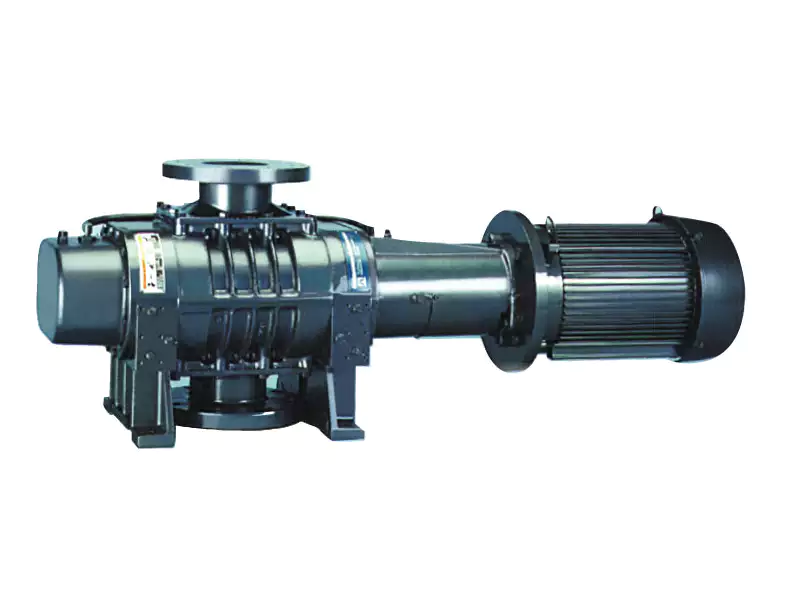
What Is the Role of Vacuum Pumps in Semiconductor Manufacturing?
Vacuum pumps play a critical role in semiconductor manufacturing processes. Here’s a detailed explanation:
Semiconductor manufacturing involves the production of integrated circuits (ICs) and other semiconductor devices used in various electronic applications. Vacuum pumps are used extensively throughout the semiconductor manufacturing process to create and maintain the required vacuum conditions for specific manufacturing steps.
Here are some key roles of vacuum pumps in semiconductor manufacturing:
1. Deposition Processes: Vacuum pumps are used in deposition processes such as physical vapor deposition (PVD) and chemical vapor deposition (CVD). These processes involve depositing thin films of materials onto semiconductor wafers to create various layers and patterns. Vacuum pumps help create a low-pressure environment necessary for precise control of the deposition process, ensuring uniform and high-quality film formation.
2. Etching and Cleaning: Vacuum pumps are utilized in etching and cleaning processes, which involve the removal of specific layers or contaminants from semiconductor wafers. Dry etching techniques, such as plasma etching and reactive ion etching, require a vacuum environment to facilitate the ionization and removal of material. Vacuum pumps aid in creating the necessary low-pressure conditions for efficient etching and cleaning processes.
3. Ion Implantation: Ion implantation is a process used to introduce impurities into specific regions of a semiconductor wafer to modify its electrical properties. Vacuum pumps are used to evacuate the ion implantation chamber, creating the required vacuum environment for accurate and controlled ion beam acceleration and implantation.
4. Wafer Handling and Transfer: Vacuum pumps are employed in wafer handling and transfer systems. These systems utilize vacuum suction to securely hold and manipulate semiconductor wafers during various manufacturing steps, such as loading and unloading from process chambers, robotic transfer between tools, and wafer alignment.
5. Load Lock Systems: Load lock systems are used to transfer semiconductor wafers between atmospheric conditions and the vacuum environment of process chambers. Vacuum pumps are integral components of load lock systems, creating and maintaining the vacuum conditions necessary for wafer transfer while minimizing contamination risks.
6. Metrology and Inspection: Vacuum pumps are utilized in metrology and inspection tools used for characterizing semiconductor devices. These tools, such as scanning electron microscopes (SEMs) and focused ion beam (FIB) systems, often operate in a vacuum environment to enable high-resolution imaging and accurate analysis of semiconductor structures and defects.
7. Leak Detection: Vacuum pumps are employed in leak detection systems to identify and locate leaks in vacuum chambers, process lines, and other components. These systems rely on vacuum pumps to evacuate the system and then monitor for any pressure rise, indicating the presence of leaks.
8. Cleanroom Environment Control: Semiconductor manufacturing facilities maintain cleanroom environments to prevent contamination during the fabrication process. Vacuum pumps are used in the design and operation of the cleanroom ventilation and filtration systems, helping to maintain the required air cleanliness levels by removing particulates and maintaining controlled air pressure differentials.
Vacuum pumps used in semiconductor manufacturing processes are often specialized to meet the stringent requirements of the industry. They need to provide high vacuum levels, precise control, low contamination levels, and reliability for continuous operation.
Overall, vacuum pumps are indispensable in semiconductor manufacturing, enabling the creation of the necessary vacuum conditions for various processes, ensuring the production of high-quality semiconductor devices.
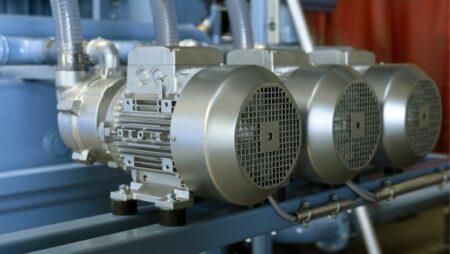
Can Vacuum Pumps Be Used in the Production of Solar Panels?
Yes, vacuum pumps are extensively used in the production of solar panels. Here’s a detailed explanation:
Solar panels, also known as photovoltaic (PV) panels, are devices that convert sunlight into electricity. The manufacturing process of solar panels involves several critical steps, many of which require the use of vacuum pumps. Vacuum technology plays a crucial role in ensuring the efficiency, reliability, and quality of solar panel production. Here are some key areas where vacuum pumps are utilized:
1. Silicon Ingot Production: The first step in solar panel manufacturing is the production of silicon ingots. These ingots are cylindrical blocks of pure crystalline silicon that serve as the raw material for solar cells. Vacuum pumps are used in the Czochralski process, which involves melting polycrystalline silicon in a quartz crucible and then slowly pulling a single crystal ingot from the molten silicon. Vacuum pumps create a controlled environment by removing impurities and preventing contamination during the crystal growth process.
2. Wafering: After the silicon ingots are produced, they undergo wafering, where the ingots are sliced into thin wafers. Vacuum pumps are used in wire saws to create a low-pressure environment that helps to cool and lubricate the cutting wire. The vacuum also assists in removing the silicon debris generated during the slicing process, ensuring clean and precise cuts.
3. Solar Cell Production: Vacuum pumps play a significant role in various stages of solar cell production. Solar cells are the individual units within a solar panel that convert sunlight into electricity. Vacuum pumps are used in the following processes:
– Diffusion: In the diffusion process, dopants such as phosphorus or boron are introduced into the silicon wafer to create the desired electrical properties. Vacuum pumps are utilized in the diffusion furnace to create a controlled atmosphere for the diffusion process and remove any impurities or gases that may affect the quality of the solar cell.
– Deposition: Thin films of materials such as anti-reflective coatings, passivation layers, and electrode materials are deposited onto the silicon wafer. Vacuum pumps are used in various deposition techniques like physical vapor deposition (PVD) or chemical vapor deposition (CVD) to create the necessary vacuum conditions for precise and uniform film deposition.
– Etching: Etching processes are employed to create the desired surface textures on the solar cell, which enhance light trapping and improve efficiency. Vacuum pumps are used in plasma etching or wet etching techniques to remove unwanted material or create specific surface structures on the solar cell.
4. Encapsulation: After the solar cells are produced, they are encapsulated to protect them from environmental factors such as moisture and mechanical stress. Vacuum pumps are used in the encapsulation process to create a vacuum environment, ensuring the removal of air and moisture from the encapsulation materials. This helps to achieve proper bonding and prevents the formation of bubbles or voids, which could degrade the performance and longevity of the solar panel.
5. Testing and Quality Control: Vacuum pumps are also utilized in testing and quality control processes during solar panel production. For example, vacuum systems can be used for leak testing to ensure the integrity of the encapsulation and to detect any potential defects or leaks in the panel assembly. Vacuum-based measurement techniques may also be employed for assessing the electrical characteristics and efficiency of the solar cells or panels.
In summary, vacuum pumps are integral to the production of solar panels. They are used in various stages of the manufacturing process, including silicon ingot production, wafering, solar cell production (diffusion, deposition, and etching), encapsulation, and testing. Vacuum technology enables precise control, contamination prevention, and efficient processing, contributing to the production of high-quality and reliable solar panels.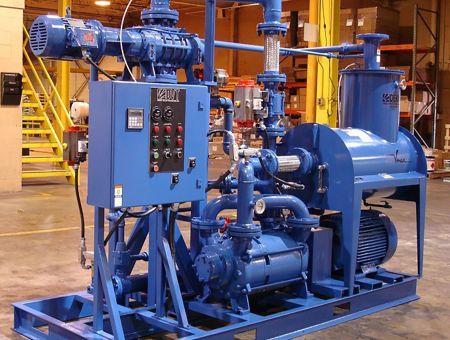
Can Vacuum Pumps Be Used in Laboratories?
Yes, vacuum pumps are extensively used in laboratories for a wide range of applications. Here’s a detailed explanation:
Vacuum pumps are essential tools in laboratory settings as they enable scientists and researchers to create and control vacuum or low-pressure environments. These controlled conditions are crucial for various scientific processes and experiments. Here are some key reasons why vacuum pumps are used in laboratories:
1. Evaporation and Distillation: Vacuum pumps are frequently used in laboratory evaporation and distillation processes. By creating a vacuum, they lower the boiling point of liquids, allowing for gentler and more controlled evaporation. This is particularly useful for heat-sensitive substances or when precise control over the evaporation process is required.
2. Filtration: Vacuum filtration is a common technique in laboratories for separating solids from liquids or gases. Vacuum pumps create suction, which helps draw the liquid or gas through the filter, leaving the solid particles behind. This method is widely used in processes such as sample preparation, microbiology, and analytical chemistry.
3. Freeze Drying: Vacuum pumps play a crucial role in freeze drying or lyophilization processes. Freeze drying involves removing moisture from a substance while it is in a frozen state, preserving its structure and properties. Vacuum pumps facilitate the sublimation of frozen water directly into vapor, resulting in the removal of moisture under low-pressure conditions.
4. Vacuum Ovens and Chambers: Vacuum pumps are used in conjunction with vacuum ovens and chambers to create controlled low-pressure environments for various applications. Vacuum ovens are used for drying heat-sensitive materials, removing solvents, or conducting reactions under reduced pressure. Vacuum chambers are utilized for testing components under simulated space or high-altitude conditions, degassing materials, or studying vacuum-related phenomena.
5. Analytical Instruments: Many laboratory analytical instruments rely on vacuum pumps to function properly. For example, mass spectrometers, electron microscopes, surface analysis equipment, and other analytical instruments often require vacuum conditions to maintain sample integrity and achieve accurate results.
6. Chemistry and Material Science: Vacuum pumps are employed in numerous chemical and material science experiments. They are used for degassing samples, creating controlled atmospheres, conducting reactions under reduced pressure, or studying gas-phase reactions. Vacuum pumps are also used in thin film deposition techniques like physical vapor deposition (PVD) and chemical vapor deposition (CVD).
7. Vacuum Systems for Experiments: In scientific research, vacuum systems are often designed and constructed for specific experiments or applications. These systems can include multiple vacuum pumps, valves, and chambers to create specialized vacuum environments tailored to the requirements of the experiment.
Overall, vacuum pumps are versatile tools that find extensive use in laboratories across various scientific disciplines. They enable researchers to control and manipulate vacuum or low-pressure conditions, facilitating a wide range of processes, experiments, and analyses. The choice of vacuum pump depends on factors such as required vacuum level, flow rate, chemical compatibility, and specific application needs.


editor by CX 2023-10-26