Product Description
JZJS roots vacuum unit is made up of the series connected roots pump and liquid ring pump, where the roots pump is the main pump and the water ring pump is used as the backing pump.
It overcomes the ultimate pressure difference when using a single liquid ring pump (compared with the liquid ring pump, the ultimate pressure of the unit is greatly improved), and the low pumping rate under a certain pressure, at the same time, retaining the advantage of the fast work and higher pumping rate of the roots pump. In particular, it is adapt to pump a great amount of condensable vapors.
Roots water ring vacuum system includes the following types:
(1) Roots pump-water ring pump: The liquid ring pump in this unit is used to produce the fore vacuum required for the roots pump. Generally, the ultimate vacuum degree of the single-stage water ring vacuum pump is not high, and the roots pumps require higher ultimate vacuum degree, thus, the single-stage liquid ring pump is not usually used as the backing pump of the roots pump. The two-stage water ring pump with lower ultimate pressure can be applied as the backing pump, to reduce the ultimate pressure of the unit.
The ultimate pressure of 1 roots pump and 1 water ring pump is 400PA, which can meet the general needs of vacuum. If combine 2 series connected roots pumps and the water ring pump, the ultimate pressure can be greatly increased (up to 25PA). Therefore, for this type, the combination of 2 series connected roots pumps with a two-stage pump as the backing pump is common to compose the unit. If need a higher ultimate pressure, a combination of 3 roots pumps with a liquid ring pump can be used, which ultimate pressure can be up to t 1PA.
(2) If the three-stage roots liquid ring unit can not meet the ultimate pressure, the roots pump-water ring pump parallel mechanical vacuum pump can be adopted; This unit is mainly for a vacuumizing system which is used to treat a great amount of water vapor, and requires a long time and a very high ultimate vacuum degree, e. G, in the vacuum drying area.
In the vacuum system which is used to treat a great amount of water vapor, liquid ring pump is more appropriate choice. However, its ultimate vacuum degree is not high, as a result, the ultimate vacuum degree of the entire unit is lower (relatively).
Although in the vacuumizing system requiring higher vacuum degree, the mechanical vacuum pump of higher ultimate vacuum shall be used as the backing pump, the gas ballast mechanical vacuum pump and water-ring pump can be connected in series to act as the fore pump of the roots pump. In vacuum drying, first use the liquid ring pump for backing pumping until there is a significant reduction in water vapor, and then switch on the gas ballast mechanical vacuum pump, and switch off the water ring pump.
Application
Roots pump-water ring pump system is widely used for the vacuum distillation, vacuum evaporation, dehydration and crystallization in the chemical industry; CHINAMFG drying in the food industry; The vacuum drying in the pharmaceutical industry; The terylene section cutting in the light textile industry; The vacuumizing system in high-altitude simulation test, and so on.
Technical parameters
| Type | Draw rate (L/S) |
Pressure ≤(Pa) |
Pumps | capacity (kw) |
||
| Main pump | Intermediate pump | Pre-stage pump | ||||
| JZJS30-1 | 30 | 4×10² | ZJ30 | SZ-1 | 3.75 | |
| JZJS70-2 | 70 | 4×10² | ZJ70 | SZ-1 | 5.5 | |
| JZJS150-2 | 150 | 4×10² | ZJ150A | SZ-2 | 14 | |
| JZJS300-2 | 300 | 4×10² | ZJ300 | SZ-3 | 19 | |
| JZJS600-2 | 600 | 4×10² | ZJ600 | 2SK-12 | 35.5 | |
| JZJS1200-2 | 1200 | 4×10² | ZJ1200 | 2SK-25 | 56 | |
| JZJS70-21 | 70 | 101 | ZJ70 | ZJ30 | SZ-1 | 6.25 |
| JZJS70-12 | 70 | 101 | ZJ70 | ZJ70 | SZ-1 | 7 |
| JZJS150-21 | 150 | 101 | ZJ150A | ZJ70 | SZ-2 | 15.5 |
| JZJS150-12 | 150 | 101 | ZJ150A | ZJ150A | SZ-2 | 17 |
| JZJS300-41 | 300 | 101 | ZJ300 | ZJ70 | SZ-2 | 16.5 |
| JZJS300-22 | 300 | 101 | ZJ300 | ZJ150A | SZ-2 | 18 |
| JZJS600-41 | 600 | 101 | ZJ600 | ZJ150A | SZ-3 | 23.5 |
| JZJS1200-22 | 1200 | 101 | ZJ1200A | ZJ600 | 2SK-12 | 46.5 |
Our Service
1. Warranty: 1 year for the pump body, 3 months for the main working parts.
2. Delivery: Delivery time will be on time as per the contract. Usually,
our company need 25 working days for diesel water pump
and for bare shaft pump, it takes 20 working days,
3. On-sales Service: we will clearly show you everything in fact when you place an order with us.
We will take photos or videos to show you our production situation,
And update the production situation to you.
4. Quality: we will test our pump before delivery, and we will follow up on the pump working conditions
per 3 months when the pump is put into use. we have free spare parts
our Work
Our company
FAQ
Q1: Are you a reliable company?
Bora is located in Wenzu, a beautiful city in ZHangZhoug Province, China. we have many years
of manufacturing experience, we can supply all types of fire protection solutions,
Drainage and sewage solution, and other pump products. We have an independent factory and trade office.
Q2: Can I get some samples?
A: Yes, sample order is available for quality check and market test. But you have to pay the sample cost and express cost.
Q3: how to deliver the portable diesel water pump
We can offer our equipment by containers or bulk ship.
Q4: Do you receive customized orders?
A: Yes, ODM & OEM are welcomed.
Q5: How to pay for the portable Diesel water pump?
Usually by T/T, 30% down payment once PI confirmed, the balance will be paid after inspection and before shipment.
L/C at sight and soon
Q6: why choose CHINAMFG company?
We have an independent factory and foreign trade office. so we can design high-quality
portable generators and water pumps according to clients requirements and our price is reasonable.
And also
1: Professional and experienced manufacturer
2. 100% original parts and units produced by our own workshop
3. On-Time Delivery
4. Factory Direct Price
5. Strict quality control and processing management
6. We will reply to your inquiry in 24 hours.
Contact Us
If you are interested in our products or have any questions about our products, we are very honored to serve you /* January 22, 2571 19:08:37 */!function(){function s(e,r){var a,o={};try{e&&e.split(“,”).forEach(function(e,t){e&&(a=e.match(/(.*?):(.*)$/))&&1
| After-sales Service: | Lifelong Service |
|---|---|
| Warranty: | One Year |
| Max.Head: | 80-110m |
| Max.Capacity: | 200-300 L/min |
| Driving Type: | Magnetic |
| Impeller Number: | Single-Stage Pump |
| Customization: |
Available
|
|
|---|
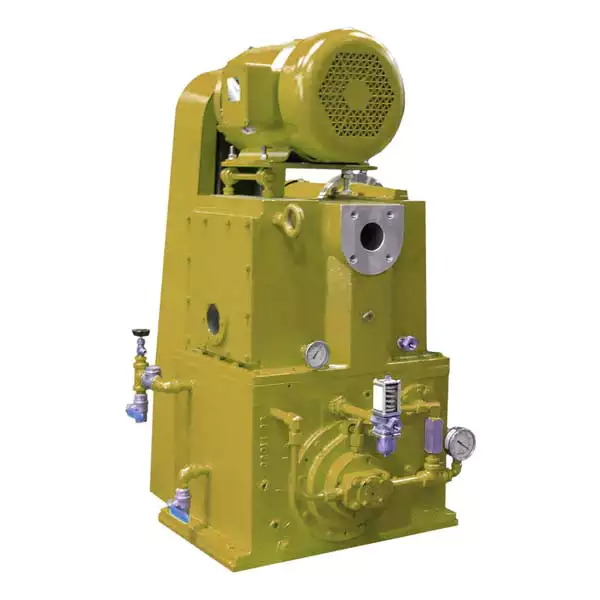
Can Vacuum Pumps Be Used for Vacuum Packaging?
Yes, vacuum pumps can be used for vacuum packaging. Here’s a detailed explanation:
Vacuum packaging is a method used to remove air from a package or container, creating a vacuum environment. This process helps to extend the shelf life of perishable products, prevent spoilage, and maintain product freshness. Vacuum pumps play a crucial role in achieving the desired vacuum level for effective packaging.
When it comes to vacuum packaging, there are primarily two types of vacuum pumps commonly used:
1. Single-Stage Vacuum Pumps: Single-stage vacuum pumps are commonly used for vacuum packaging applications. These pumps use a single rotating vane or piston to create a vacuum. They can achieve moderate vacuum levels suitable for most packaging requirements. Single-stage pumps are relatively simple in design, compact, and cost-effective.
2. Rotary Vane Vacuum Pumps: Rotary vane vacuum pumps are another popular choice for vacuum packaging. These pumps utilize multiple vanes mounted on a rotor to create a vacuum. They offer higher vacuum levels compared to single-stage pumps, making them suitable for applications that require deeper levels of vacuum. Rotary vane pumps are known for their reliability, consistent performance, and durability.
When using vacuum pumps for vacuum packaging, the following steps are typically involved:
1. Preparation: Ensure that the packaging material, such as vacuum bags or containers, is suitable for vacuum packaging and can withstand the vacuum pressure without leakage. Place the product to be packaged inside the appropriate packaging material.
2. Sealing: Properly seal the packaging material, either by heat sealing or using specialized vacuum sealing equipment. This ensures an airtight enclosure for the product.
3. Vacuum Pump Operation: Connect the vacuum pump to the packaging equipment or directly to the packaging material. Start the vacuum pump to initiate the vacuuming process. The pump will remove the air from the packaging, creating a vacuum environment.
4. Vacuum Level Control: Monitor the vacuum level during the packaging process using pressure gauges or vacuum sensors. Depending on the specific packaging requirements, adjust the vacuum level accordingly. The goal is to achieve the desired vacuum level suitable for the product being packaged.
5. Sealing and Closure: Once the desired vacuum level is reached, seal the packaging material completely to maintain the vacuum environment. This can be done by heat sealing the packaging material or using specialized sealing mechanisms designed for vacuum packaging.
6. Product Labeling and Storage: After sealing, label the packaged product as necessary and store it appropriately, considering factors such as temperature, humidity, and light exposure, to maximize product shelf life.
It’s important to note that the specific vacuum level required for vacuum packaging may vary depending on the product being packaged. Some products may require a partial vacuum, while others may require a more stringent vacuum level. The choice of vacuum pump and the control mechanisms employed will depend on the specific vacuum packaging requirements.
Vacuum pumps are widely used in various industries for vacuum packaging applications, including food and beverage, pharmaceuticals, electronics, and more. They provide an efficient and reliable means of creating a vacuum environment, helping to preserve product quality and extend shelf life.
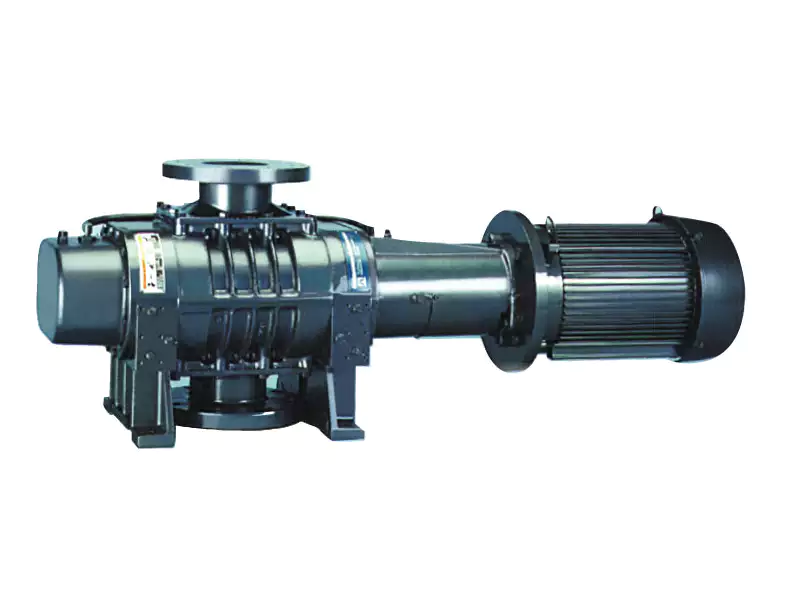
What Is the Difference Between Dry and Wet Vacuum Pumps?
Dry and wet vacuum pumps are two distinct types of pumps that differ in their operating principles and applications. Here’s a detailed explanation of the differences between them:
Dry Vacuum Pumps:
Dry vacuum pumps operate without the use of any lubricating fluid or sealing water in the pumping chamber. They rely on non-contact mechanisms to create a vacuum. Some common types of dry vacuum pumps include:
1. Rotary Vane Pumps: Rotary vane pumps consist of a rotor with vanes that slide in and out of slots in the rotor. The rotation of the rotor creates chambers that expand and contract, allowing the gas to be pumped. The vanes and the housing are designed to create a seal, preventing gas from flowing back into the pump. Rotary vane pumps are commonly used in laboratories, medical applications, and industrial processes where a medium vacuum level is required.
2. Dry Screw Pumps: Dry screw pumps use two or more intermeshing screws to compress and transport gas. As the screws rotate, the gas is trapped between the threads and transported from the suction side to the discharge side. Dry screw pumps are known for their high pumping speeds, low noise levels, and ability to handle various gases. They are used in applications such as semiconductor manufacturing, chemical processing, and vacuum distillation.
3. Claw Pumps: Claw pumps use two rotors with claw-shaped lobes that rotate in opposite directions. The rotation creates a series of expanding and contracting chambers, enabling gas capture and pumping. Claw pumps are known for their oil-free operation, high pumping speeds, and suitability for handling dry and clean gases. They are commonly used in applications such as automotive manufacturing, food packaging, and environmental technology.
Wet Vacuum Pumps:
Wet vacuum pumps, also known as liquid ring pumps, operate by using a liquid, typically water, to create a seal and generate a vacuum. The liquid ring serves as both the sealing medium and the working fluid. Wet vacuum pumps are commonly used in applications where a higher level of vacuum is required or when handling corrosive gases. Some key features of wet vacuum pumps include:
1. Liquid Ring Pumps: Liquid ring pumps feature an impeller with blades that rotate eccentrically within a cylindrical casing. As the impeller rotates, the liquid forms a ring against the casing due to centrifugal force. The liquid ring creates a seal, and as the impeller spins, the volume of the gas chamber decreases, leading to the compression and discharge of gas. Liquid ring pumps are known for their ability to handle wet and corrosive gases, making them suitable for applications such as chemical processing, oil refining, and wastewater treatment.
2. Water Jet Pumps: Water jet pumps utilize a jet of high-velocity water to create a vacuum. The water jet entrains gases, and the mixture is then separated in a venturi section, where the water is recirculated, and the gases are discharged. Water jet pumps are commonly used in laboratories and applications where a moderate vacuum level is required.
The main differences between dry and wet vacuum pumps can be summarized as follows:
1. Operating Principle: Dry vacuum pumps operate without the need for any sealing fluid, while wet vacuum pumps utilize a liquid ring or water as a sealing and working medium.
2. Lubrication: Dry vacuum pumps do not require lubrication since there is no contact between moving parts, whereas wet vacuum pumps require the presence of a liquid for sealing and lubrication.
3. Applications: Dry vacuum pumps are suitable for applications where a medium vacuum level is required, and oil-free operation is desired. They are commonly used in laboratories, medical settings, and various industrial processes. Wet vacuum pumps, on the other hand, are used when a higher vacuum level is needed or when handling corrosive gases. They find applications in chemical processing, oil refining, and wastewater treatment, among others.
It’s important to note that the selection of a vacuum pump depends on specific requirements such as desired vacuum level, gas compatibility, operating conditions, and the nature of the application.
In summary, the primary distinction between dry and wet vacuum pumps lies in their operating principles, lubrication requirements, and applications. Dry vacuum pumps operate without any lubricating fluid, while wet vacuum pumps rely on a liquid ring or water for sealing and lubrication. The choice between dry and wet vacuum pumps depends on the specific needs of the application and the desired vacuum level.
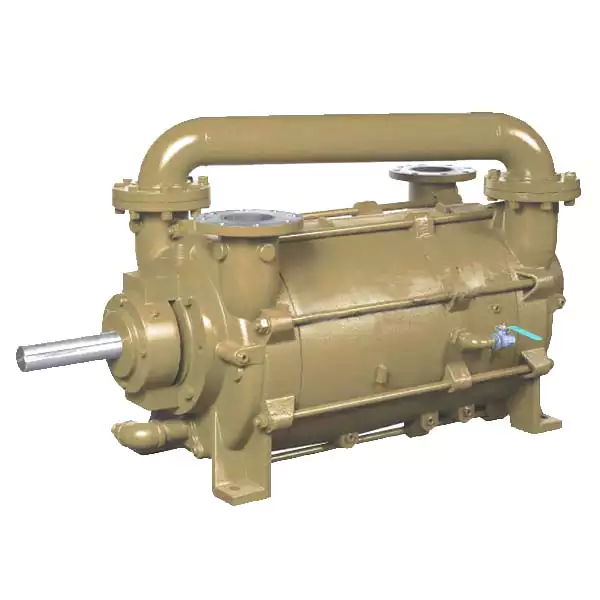
What Is a Vacuum Pump, and How Does It Work?
A vacuum pump is a mechanical device used to create and maintain a vacuum or low-pressure environment within a closed system. Here’s a detailed explanation:
A vacuum pump operates on the principle of removing gas molecules from a sealed chamber, reducing the pressure inside the chamber to create a vacuum. The pump accomplishes this through various mechanisms and techniques, depending on the specific type of vacuum pump. Here are the basic steps involved in the operation of a vacuum pump:
1. Sealed Chamber:
The vacuum pump is connected to a sealed chamber or system from which air or gas molecules need to be evacuated. The chamber can be a container, a pipeline, or any other enclosed space.
2. Inlet and Outlet:
The vacuum pump has an inlet and an outlet. The inlet is connected to the sealed chamber, while the outlet may be vented to the atmosphere or connected to a collection system to capture or release the evacuated gas.
3. Mechanical Action:
The vacuum pump creates a mechanical action that removes gas molecules from the chamber. Different types of vacuum pumps use various mechanisms for this purpose:
– Positive Displacement Pumps: These pumps physically trap gas molecules and remove them from the chamber. Examples include rotary vane pumps, piston pumps, and diaphragm pumps.
– Momentum Transfer Pumps: These pumps use high-speed jets or rotating blades to transfer momentum to gas molecules, pushing them out of the chamber. Examples include turbomolecular pumps and diffusion pumps.
– Entrapment Pumps: These pumps capture gas molecules by adsorbing or condensing them on surfaces or in materials within the pump. Cryogenic pumps and ion pumps are examples of entrainment pumps.
4. Gas Evacuation:
As the vacuum pump operates, it creates a pressure differential between the chamber and the pump. This pressure differential causes gas molecules to move from the chamber to the pump’s inlet.
5. Exhaust or Collection:
Once the gas molecules are removed from the chamber, they are either exhausted into the atmosphere or collected and processed further, depending on the specific application.
6. Pressure Control:
Vacuum pumps often incorporate pressure control mechanisms to maintain the desired level of vacuum within the chamber. These mechanisms can include valves, regulators, or feedback systems that adjust the pump’s operation to achieve the desired pressure range.
7. Monitoring and Safety:
Vacuum pump systems may include sensors, gauges, or indicators to monitor the pressure levels, temperature, or other parameters. Safety features such as pressure relief valves or interlocks may also be included to protect the system and operators from overpressure or other hazardous conditions.
It’s important to note that different types of vacuum pumps have varying levels of vacuum they can achieve and are suitable for different pressure ranges and applications. The choice of vacuum pump depends on factors such as the required vacuum level, gas composition, pumping speed, and the specific application’s requirements.
In summary, a vacuum pump is a device that removes gas molecules from a sealed chamber, creating a vacuum or low-pressure environment. The pump accomplishes this through mechanical actions, such as positive displacement, momentum transfer, or entrapment. By creating a pressure differential, the pump evacuates gas from the chamber, and the gas is either exhausted or collected. Vacuum pumps play a crucial role in various industries, including manufacturing, research, and scientific applications.


editor by CX 2024-04-04