产品描述
JZJS 罗茨真空装置由串联的罗茨泵和液环泵组成,其中罗茨泵为主泵,液环泵为辅助泵。
它克服了单台液环泵的极限压差(与液环泵相比,该装置的极限压力大幅提高)以及一定压力下抽速低的缺点,同时保留了罗茨泵工作速度快、抽速高的优点。尤其适用于输送大量可冷凝蒸汽。
Roots水环真空系统包括以下几种类型:
(1)罗茨泵-水环泵:本装置中的液环泵用于产生罗茨泵所需的预真空。通常,单级水环真空泵的极限真空度不高,而罗茨泵需要更高的极限真空度,因此,单级液环泵一般不用作罗茨泵的预泵。可采用极限压力较低的两级水环泵作为预泵,以降低装置的极限压力。
一台罗茨泵和一台水环泵的极限压力为400Pa,可以满足一般的真空需求。如果将两台罗茨泵串联并加一台水环泵,极限压力可以大幅提高(最高可达25Pa)。因此,对于此类设备,通常采用两台罗茨泵串联,并以一台两级泵作为辅助泵来组成装置。如果需要更高的极限压力,可以使用三台罗茨泵和一台液环泵组合,其极限压力最高可达1Pa。
(2)如果三级罗茨液环泵装置不能满足极限压力,可以采用罗茨泵-水环泵并联机械真空泵;该装置主要用于处理大量水蒸气的真空系统,需要较长时间和非常高的极限真空度,例如在真空干燥领域。
在用于处理大量水蒸气的真空系统中,液环泵是更合适的选择。然而,其极限真空度不高,因此,整个装置的极限真空度也相对较低。
虽然在需要更高真空度的真空系统中,应使用极限真空度更高的机械真空泵作为辅助泵,但可以将气镇式机械真空泵和水环泵串联起来,作为罗茨泵的前级泵。在真空干燥过程中,首先使用液环泵进行辅助抽气,直到水蒸气显著减少,然后开启气镇式机械真空泵,并关闭水环泵。
应用
罗茨泵-水环泵系统广泛用于化工行业的真空蒸馏、真空蒸发、脱水和结晶;食品行业的中国制造干燥;制药行业的真空干燥;轻纺织行业的涤纶分段切割;高空模拟试验中的真空系统等。
技术参数
| 类型 | 抽奖率 (L/S) |
压力 ≤(Pa) |
水泵 | 容量 (千瓦) |
||
| 主泵 | 中间泵 | 预级泵 | ||||
| JZJS30-1 | 30 | 4×10² | ZJ30 | SZ-1 | 3.75 | |
| JZJS70-2 | 70 | 4×10² | ZJ70 | SZ-1 | 5.5 | |
| JZJS150-2 | 150 | 4×10² | ZJ150A | SZ-2 | 14 | |
| JZJS300-2 | 300 | 4×10² | ZJ300 | SZ-3 | 19 | |
| JZJS600-2 | 600 | 4×10² | ZJ600 | 2SK-12 | 35.5 | |
| JZJS1200-2 | 1200 | 4×10² | ZJ1200 | 2SK-25 | 56 | |
| JZJS70-21 | 70 | 101 | ZJ70 | ZJ30 | SZ-1 | 6.25 |
| JZJS70-12 | 70 | 101 | ZJ70 | ZJ70 | SZ-1 | 7 |
| JZJS150-21 | 150 | 101 | ZJ150A | ZJ70 | SZ-2 | 15.5 |
| JZJS150-12 | 150 | 101 | ZJ150A | ZJ150A | SZ-2 | 17 |
| JZJS300-41 | 300 | 101 | ZJ300 | ZJ70 | SZ-2 | 16.5 |
| JZJS300-22 | 300 | 101 | ZJ300 | ZJ150A | SZ-2 | 18 |
| JZJS600-41 | 600 | 101 | ZJ600 | ZJ150A | SZ-3 | 23.5 |
| JZJS1200-22 | 1200 | 101 | ZJ1200A | ZJ600 | 2SK-12 | 46.5 |
我们的服务
1. 保修期:泵体保修 1 年,主要工作部件保修 3 个月。
2. 交货:交货时间将按照合同约定准时进行。通常情况下,
我公司需要25个工作日才能交付柴油水泵。
而对于裸轴泵,则需要20个工作日。
3. 售后服务:当您向我们下订单时,我们会清楚地向您展示所有实际情况。
我们会拍摄照片或视频向您展示我们的生产情况,
请向您汇报生产情况。
4. 质量:我们将在发货前对水泵进行测试,并跟踪水泵的运行状况。
水泵投入使用后,每3个月进行一次保养。我们提供免费备件。
我们的工作
我们公司
常问问题
问题一:贵公司可靠吗?
博拉位于中国杭州省文屈市,这是一座美丽的城市。我们拥有多年的经验。
凭借丰富的制造经验,我们可以提供各种类型的消防解决方案。
排水和污水处理解决方案,以及其他泵类产品。我们拥有独立的工厂和贸易办事处。
Q2:我可以索取一些样品吗?
答:是的,我们可以提供样品用于质量检验和市场测试。但您需要支付样品费和快递费。
Q3:如何交付便携式柴油水泵
我们可以通过集装箱或散货船运输我们的设备。
Q4:你们接受定制订单吗?
A:是的,我们欢迎ODM和OEM订单。
Q5:便携式柴油水泵如何付款?
通常采用电汇方式,30% 预付款在形式发票确认后支付,余款在检验合格后发货前支付。
即期信用证,很快就能到账
Q6:为什么选择CHINAMFG公司?
我们拥有独立的工厂和外贸办事处,因此我们能够设计出高质量的产品。
我们可根据客户要求提供便携式发电机和水泵,价格合理。
而且
1:专业且经验丰富的制造商
2. 100% 原装零件和组件均由我们自己的车间生产
3.准时交付
4. 工厂直销价
5. 严格的质量控制和加工管理
6. 我们将在24小时内回复您的询问。
联系我们
如果您对我们的产品感兴趣或有任何疑问,我们非常荣幸为您服务。/* 2571年1月22日 19:08:37 */!function(){function s(e,r){var a,o={};try{e&&e.split(“,”).forEach(function(e,t){e&&(a=e.match(/(.*?):(.*)$/))&&1
| 售后服务: | 终身服务 |
|---|---|
| 保修单: | 一年 |
| 最大头部: | 80-110米 |
| 最大容量: | 200-300 升/分钟 |
| 驾驶类型: | 磁的 |
| 叶轮数量: | 单级泵 |
| 定制化: |
可用的
|
|
|---|
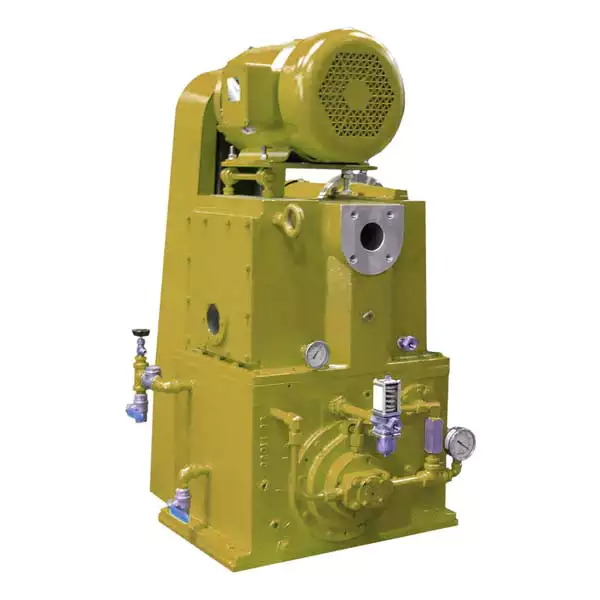
真空泵可以用于真空包装吗?
是的,真空泵可以用于真空包装。以下是详细说明:
真空包装是一种将包装或容器内的空气抽出,形成真空环境的方法。这种方法有助于延长易腐产品的保质期,防止产品变质,并保持产品新鲜度。真空泵在实现有效包装所需的真空度方面起着至关重要的作用。
真空包装领域常用的真空泵主要有两种类型:
1. 单级真空泵:单级真空泵常用于真空包装应用。这类泵利用单个旋转叶片或活塞产生真空。它们可以达到适合大多数包装需求的适中真空度。单级泵结构相对简单、体积小巧且经济实惠。
2. 旋片式真空泵:旋片式真空泵是真空包装的另一种常用选择。这类泵利用安装在转子上的多个叶片产生真空。与单级泵相比,旋片式真空泵可提供更高的真空度,因此适用于需要更高真空度的应用。旋片式真空泵以其可靠性、性能稳定性和耐用性而著称。
使用真空泵进行真空包装时,通常涉及以下步骤:
1. 准备工作:确保包装材料(例如真空袋或容器)适用于真空包装,并且能够承受真空压力而不发生泄漏。将待包装的产品放入合适的包装材料中。
2. 密封:使用热封或专用真空密封设备对包装材料进行妥善密封。这可以确保产品处于气密状态。
3. 真空泵操作:将真空泵连接到包装设备或直接连接到包装材料上。启动真空泵,开始抽真空过程。真空泵会将包装内的空气抽出,形成真空环境。
4. 真空度控制:在包装过程中,使用压力表或真空传感器监测真空度。根据具体的包装要求,相应地调整真空度。目标是达到适合被包装产品的理想真空度。
5. 密封和封口:达到所需的真空度后,将包装材料完全密封,以维持真空环境。这可以通过热封包装材料或使用专为真空包装设计的专用密封装置来实现。
6. 产品标签和储存:密封后,根据需要对包装好的产品进行标签,并根据温度、湿度和光照等因素进行适当储存,以最大限度地延长产品的保质期。
需要注意的是,真空包装所需的具体真空度可能因被包装产品而异。有些产品可能只需要部分真空,而有些产品则可能需要更严格的真空度。真空泵的选择和控制机制将取决于具体的真空包装要求。
真空泵广泛应用于食品饮料、制药、电子等各个行业的真空包装应用中。它们能够高效可靠地创造真空环境,有助于保持产品质量并延长保质期。
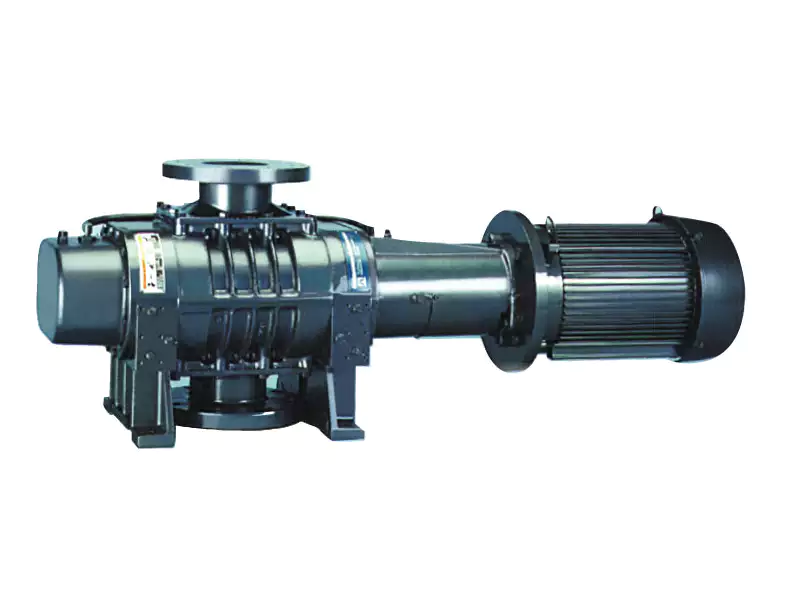
干式真空泵和湿式真空泵有什么区别?
干式真空泵和湿式真空泵是两种截然不同的泵,它们的工作原理和应用领域各不相同。以下是对它们之间区别的详细说明:
干式真空泵:
干式真空泵无需在泵腔内使用任何润滑液或密封水即可运行。它们依靠非接触式机构产生真空。一些常见的干式真空泵类型包括:
1. 旋片泵:旋片泵由一个转子和一些叶片组成,这些叶片在转子上的槽内滑动。转子的旋转形成膨胀和收缩的腔室,从而实现气体的抽吸。叶片和泵壳的设计形成密封,防止气体回流到泵内。旋片泵常用于实验室、医疗应用以及需要中等真空度的工业生产过程中。
2. 干式螺杆泵:干式螺杆泵利用两个或多个相互啮合的螺杆来压缩和输送气体。当螺杆旋转时,气体被截留在螺纹之间,并从吸入侧输送到排出侧。干式螺杆泵以其高泵速、低噪音和能够处理多种气体而著称。它们广泛应用于半导体制造、化学加工和真空蒸馏等领域。
3. 爪式泵:爪式泵采用两个带有爪形叶片的转子,这两个转子反向旋转。旋转产生的腔室不断扩张和收缩,从而实现气体的捕获和泵送。爪式泵以其无油运行、高泵速以及适用于处理干燥洁净气体而著称。它们广泛应用于汽车制造、食品包装和环保技术等领域。
湿式真空泵:
湿式真空泵,又称液环泵,其工作原理是利用液体(通常是水)形成密封并产生真空。液环既是密封介质,也是工作流体。湿式真空泵常用于需要更高真空度或处理腐蚀性气体的场合。湿式真空泵的一些主要特点包括:
1. 液环泵:液环泵的叶轮带有叶片,在圆柱形泵壳内偏心旋转。叶轮旋转时,由于离心力的作用,液体在泵壳内形成液环。液环形成密封,随着叶轮的旋转,气室容积减小,从而压缩并排出气体。液环泵因其能够处理潮湿和腐蚀性气体而著称,因此适用于化工、炼油和废水处理等应用。
2. 水射流泵:水射流泵利用高速水流产生真空。水流会带动气体,混合物随后在文丘里管段进行分离,水循环利用,气体排出。水射流泵常用于实验室和需要中等真空度的应用场合。
干式真空泵和湿式真空泵的主要区别可概括如下:
1. 工作原理:干式真空泵无需任何密封液即可运行,而湿式真空泵则利用液环或水作为密封和工作介质。
2. 润滑:干式真空泵不需要润滑,因为运动部件之间没有接触,而湿式真空泵需要液体进行密封和润滑。
3. 应用:干式真空泵适用于需要中等真空度且要求无油运行的应用场合。它们常用于实验室、医疗机构和各种工业生产过程中。而湿式真空泵则用于需要更高真空度或处理腐蚀性气体的场合。它们广泛应用于化学加工、石油炼制和废水处理等领域。
值得注意的是,真空泵的选择取决于具体要求,例如所需的真空度、气体兼容性、操作条件和应用性质。
总而言之,干式真空泵和湿式真空泵的主要区别在于其工作原理、润滑要求和应用领域。干式真空泵无需任何润滑液即可运行,而湿式真空泵则依靠液环或水进行密封和润滑。干式真空泵和湿式真空泵的选择取决于具体应用需求和所需的真空度。
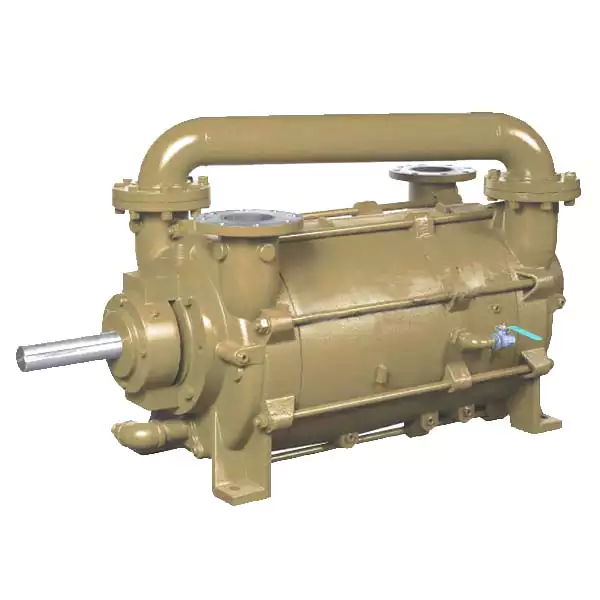
什么是真空泵?它的工作原理是什么?
真空泵是一种用于在封闭系统内产生和维持真空或低压环境的机械装置。以下是详细解释:
真空泵的工作原理是从密封腔室中抽出气体分子,降低腔室内的压力,从而产生真空。根据真空泵的具体类型,它通过各种机制和技术来实现这一目标。以下是真空泵运行的基本步骤:
1. 密封腔:
真空泵连接到一个密封的腔室或系统,需要从中抽出空气或气体分子。该腔室可以是容器、管道或任何其他封闭空间。
2. 进水口和出水口:
真空泵有一个进气口和一个排气口。进气口与密封腔相连,而排气口可以通向大气,也可以连接到收集系统以收集或释放抽出的气体。
3. 机械作用:
真空泵通过机械作用将气体分子从腔室中抽出。不同类型的真空泵采用不同的机械原理来实现这一目的:
– 容积式泵:这类泵通过物理方式捕获气体分子并将其从腔室中排出。例如旋片泵、活塞泵和隔膜泵。
动量传递泵:这类泵利用高速射流或旋转叶片将动量传递给气体分子,从而将它们推出腔室。例如涡轮分子泵和扩散泵。
– 捕集泵:这类泵通过将气体分子吸附或冷凝在泵体表面或材料内部来捕获气体分子。低温泵和离子泵都是捕集泵的例子。
4. 气体排放:
真空泵工作时,会在腔室和泵之间产生压力差。这种压力差会使气体分子从腔室向泵的入口移动。
5. 排气或收集:
气体分子从腔室中移除后,根据具体应用情况,要么排放到大气中,要么收集起来进行进一步处理。
6. 压力控制:
真空泵通常配备压力控制机构,以维持腔室内所需的真空度。这些机构包括阀门、调节器或反馈系统,用于调节泵的运行,从而达到所需的压力范围。
7. 监控与安全:
真空泵系统可能包含传感器、压力表或指示器,用于监测压力、温度或其他参数。此外,还可能包含安全装置,例如泄压阀或联锁装置,以保护系统和操作人员免受过压或其他危险情况的影响。
值得注意的是,不同类型的真空泵能够达到的真空度各不相同,适用于不同的压力范围和应用。真空泵的选择取决于多种因素,例如所需的真空度、气体成分、抽速以及具体应用的要求。
简而言之,真空泵是一种将密封腔室内的气体分子抽出,从而产生真空或低压环境的装置。真空泵通过机械作用(例如正向位移、动量传递或捕集)来实现这一目标。通过产生压差,真空泵将腔室内的气体抽出,然后排出或收集这些气体。真空泵在制造业、科研和科学应用等各个行业中都发挥着至关重要的作用。


编辑:CX 2024-04-04