Product Description
Product Description
Rotary vane vacuum pump mainly consists of pump body, rotor, rotary vane, end cap, oil tank and so on. A rotor with 3 vanes is mounted eccentrically in a cylindrical housing, the 3 vanes slide in the rotor slots. When rotating, the centrifugal force keeps the vanes in contact with the housing and the rotation drives the rotor to slide along the housing.
| 1.Exhaust porti nterface | 2.Exhaust filter | 3.Suction valve |
| 4.Oil level gauge | 5.Drain valve | 6.Filler plug |
| 7.Exhaust valve | 8.Blade | 9.Rotor |
| 10.Tank | 11.Axial fan | 12.Motor |
| 13.Oil filter | 14.Suction port interface | 15.Air ballast valve |
| 16.Radiator tube | 17.Return valve |
Working principle
The diagram below shows the structure of the pump. When the rotor rotates, the vanes, the housing and the 2 end caps form three chambers, every turn, the volume of each chamber increases or decreases due to the sliding of the vanes, completing the suction and discharge process.
Main features
- Able to work continuously for a long time under the inlet pressure of 5×10⁴Pa.
- Low noise, low vibration, foot bolts is not required.
- Exhaust filter in the pump effectively separates the oil in the gas to avoid pollution of the environment.
- Directly driven by motor.
- Compact structure, light weight, air-cooled.
- Easy to operate, install and maintain.
Applications
The rotary vane vacuum pump is suitable for the applications where the requirement of vacuum is not high and the operation is reliable and maintenance is convenient. It is commonly used in vacuum packaging of various foodstuffs, vacuum forming of rubber and plastic industry, paper transmission of printing industry, vacuum impregnation and leakage prevention of various castings, vacuum fixture, vacuum drying, vacuum filtration, and hospital surgery.
Product Parameters
| Model | Nominal pumping speed(50Hz) m³/h |
Ultimate pressure ≤Pa |
Ultimate pressure with Gas Ballast valve on ≤Pa | Nominal motor rating (50Hz) kw | Nominal motor speed (50Hz) RPM | Water vapour capacity kg/h |
Noise level db(A) | Oil capacity L |
Working Temperature ºC |
Suction Connection size inch |
Discharge Connection size inch |
Weight kg |
| XD-571 | 10 | 200 | 0.37 | 2800 | 0.4 | 62 | 0.5 | 77 | G1/2″ | G1/2″ | 16 | |
| XD-571 | 20 | 200 | 0.75 | 2880 | 0.4 | 63 | 0.5 | 77 | G1/2″ | G1/2″ | 18 | |
| XD-571A | 20 | 200 | 0.75 | 2880 | 0.4 | 63 | 0.5 | 77 | G1/2″ | G1/2″ | 18 | |
| XD-571C | 20 | 200 | 0.9 | 2880 | 0.4 | 65 | 0.5 | 79 | G3/4″ | G3/4″ | 20 | |
| XD-571 | 25 | 200 | 0.75 | 2880 | 0.4 | 65 | 0.5 | 79 | G3/4″ | G3/4″ | 20 | |
| XD-040C | 40 | 50 | 200 | 1.1 | 1500 | 0.6 | 64 | 1.25 | 76 | G1 1/4″ | G1 1/4″ | 48 |
| XD-063C | 63 | 50 | 200 | 1.5/2.2 | 1500 | 1 | 65 | 2 | 79 | G1 1/4″ | G1 1/4″ | 58 |
| XD-063D | 63 | 50 | 200 | 1.5 | 1500 | 0.6 | 65 | 1.5 | 79 | G1 1/4″ | G1 1/4″ | 49 |
| XD-100C | 100 | 50 | 200 | 2.2/3 | 1500 | 1.5 | 66 | 2 | 79 | G1 1/4″ | G1 1/4″ | 72 |
| XD-160C | 160 | 50 | 200 | 4 | 1500 | 2.5 | 71 | 5 | 70 | G2″ | G2″ | 158 |
| XD-202C | 200 | 50 | 200 | 4 | 1500 | 4 | 73 | 5 | 70 | G2″ | G2″ | 158 |
| XD-250C | 250 | 50 | 200 | 5.5 | 1500 | 4.5 | 73 | 7 | 73 | G2″ | G2″ | 195 |
| XD-302C | 300 | 50 | 200 | 5.5/7.5 | 1500 | 5 | 75 | 7 | 75 | G2″ | G2″ | 211 |
Dimensional drawing
Our factory
FAQ
Q: What information should I offer for an inquiry?
A: You can inquire based on the model directly, but it is always recommended that you contact us so that we can help you to check if the pump is the most appropriate for your application.
Q: Can you make a customized vacuum pump?
A: Yes, we can do some special designs to meet customer applications. Such as customized sealing systems, speical surface treatment can be applied for roots vacuum pump and screw vacuum pump. Please contact us if you have special requirements.
Q: I have problems with our vacuum pumps or vacuum systems, can you offer some help?
A: We have application and design engineers with more than 30 years of experience in vacuum applications in different industries and help a lot of customers resolve their problems, such as leakage issues, energy-saving solutions, more environment-friendly vacuum systems, etc. Please contact us and we’ll be very happy if we can offer any help to your vacuum system.
Q: Can you design and make customized vacuum systems?
A: Yes, we are good for this.
Q: What is your MOQ?
A: 1 piece or 1 set.
Q: How about your delivery time?
A: 5-10 working days for the standard vacuum pump if the quantity is below 20 pieces, 20-30 working days for the conventional vacuum system with less than 5 sets. For more quantity or special requirements, please contact us to check the lead time.
Q: What are your payment terms?
A: By T/T, 50% advance payment/deposit and 50% paid before shipment.
Q: How about the warranty?
A: We offer 1-year warranty (except for the wearing parts).
Q: How about the service?
A: We offer remote video technical support. We can send the service engineer to the site for some special requirements.
| After-sales Service: | Online Video Instruction |
|---|---|
| Warranty: | 1 Year |
| Oil or Not: | Oil |
| Structure: | Rotary Vacuum Pump |
| Exhauster Method: | Positive Displacement Pump |
| Nominal Pumping Speed(50Hz): | 100m3/H |
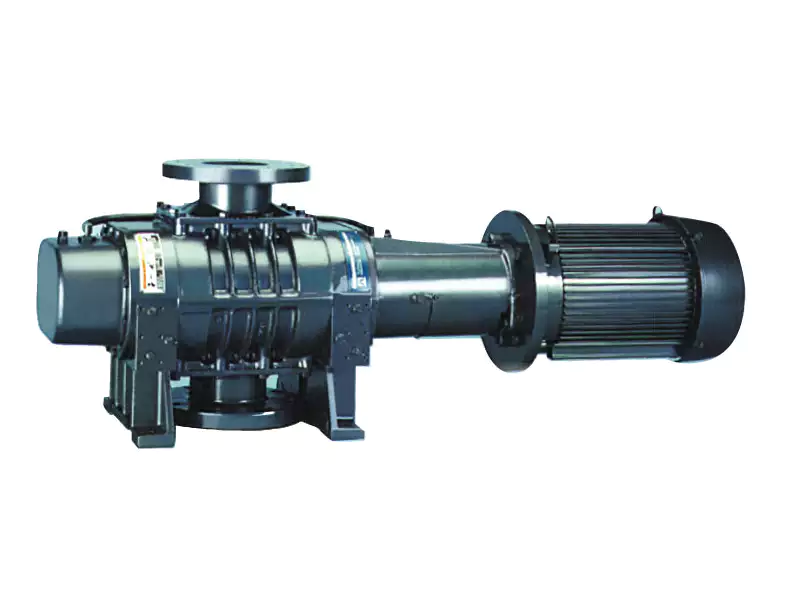
What Is the Role of Vacuum Pumps in Semiconductor Manufacturing?
Vacuum pumps play a critical role in semiconductor manufacturing processes. Here’s a detailed explanation:
Semiconductor manufacturing involves the production of integrated circuits (ICs) and other semiconductor devices used in various electronic applications. Vacuum pumps are used extensively throughout the semiconductor manufacturing process to create and maintain the required vacuum conditions for specific manufacturing steps.
Here are some key roles of vacuum pumps in semiconductor manufacturing:
1. Deposition Processes: Vacuum pumps are used in deposition processes such as physical vapor deposition (PVD) and chemical vapor deposition (CVD). These processes involve depositing thin films of materials onto semiconductor wafers to create various layers and patterns. Vacuum pumps help create a low-pressure environment necessary for precise control of the deposition process, ensuring uniform and high-quality film formation.
2. Etching and Cleaning: Vacuum pumps are utilized in etching and cleaning processes, which involve the removal of specific layers or contaminants from semiconductor wafers. Dry etching techniques, such as plasma etching and reactive ion etching, require a vacuum environment to facilitate the ionization and removal of material. Vacuum pumps aid in creating the necessary low-pressure conditions for efficient etching and cleaning processes.
3. Ion Implantation: Ion implantation is a process used to introduce impurities into specific regions of a semiconductor wafer to modify its electrical properties. Vacuum pumps are used to evacuate the ion implantation chamber, creating the required vacuum environment for accurate and controlled ion beam acceleration and implantation.
4. Wafer Handling and Transfer: Vacuum pumps are employed in wafer handling and transfer systems. These systems utilize vacuum suction to securely hold and manipulate semiconductor wafers during various manufacturing steps, such as loading and unloading from process chambers, robotic transfer between tools, and wafer alignment.
5. Load Lock Systems: Load lock systems are used to transfer semiconductor wafers between atmospheric conditions and the vacuum environment of process chambers. Vacuum pumps are integral components of load lock systems, creating and maintaining the vacuum conditions necessary for wafer transfer while minimizing contamination risks.
6. Metrology and Inspection: Vacuum pumps are utilized in metrology and inspection tools used for characterizing semiconductor devices. These tools, such as scanning electron microscopes (SEMs) and focused ion beam (FIB) systems, often operate in a vacuum environment to enable high-resolution imaging and accurate analysis of semiconductor structures and defects.
7. Leak Detection: Vacuum pumps are employed in leak detection systems to identify and locate leaks in vacuum chambers, process lines, and other components. These systems rely on vacuum pumps to evacuate the system and then monitor for any pressure rise, indicating the presence of leaks.
8. Cleanroom Environment Control: Semiconductor manufacturing facilities maintain cleanroom environments to prevent contamination during the fabrication process. Vacuum pumps are used in the design and operation of the cleanroom ventilation and filtration systems, helping to maintain the required air cleanliness levels by removing particulates and maintaining controlled air pressure differentials.
Vacuum pumps used in semiconductor manufacturing processes are often specialized to meet the stringent requirements of the industry. They need to provide high vacuum levels, precise control, low contamination levels, and reliability for continuous operation.
Overall, vacuum pumps are indispensable in semiconductor manufacturing, enabling the creation of the necessary vacuum conditions for various processes, ensuring the production of high-quality semiconductor devices.
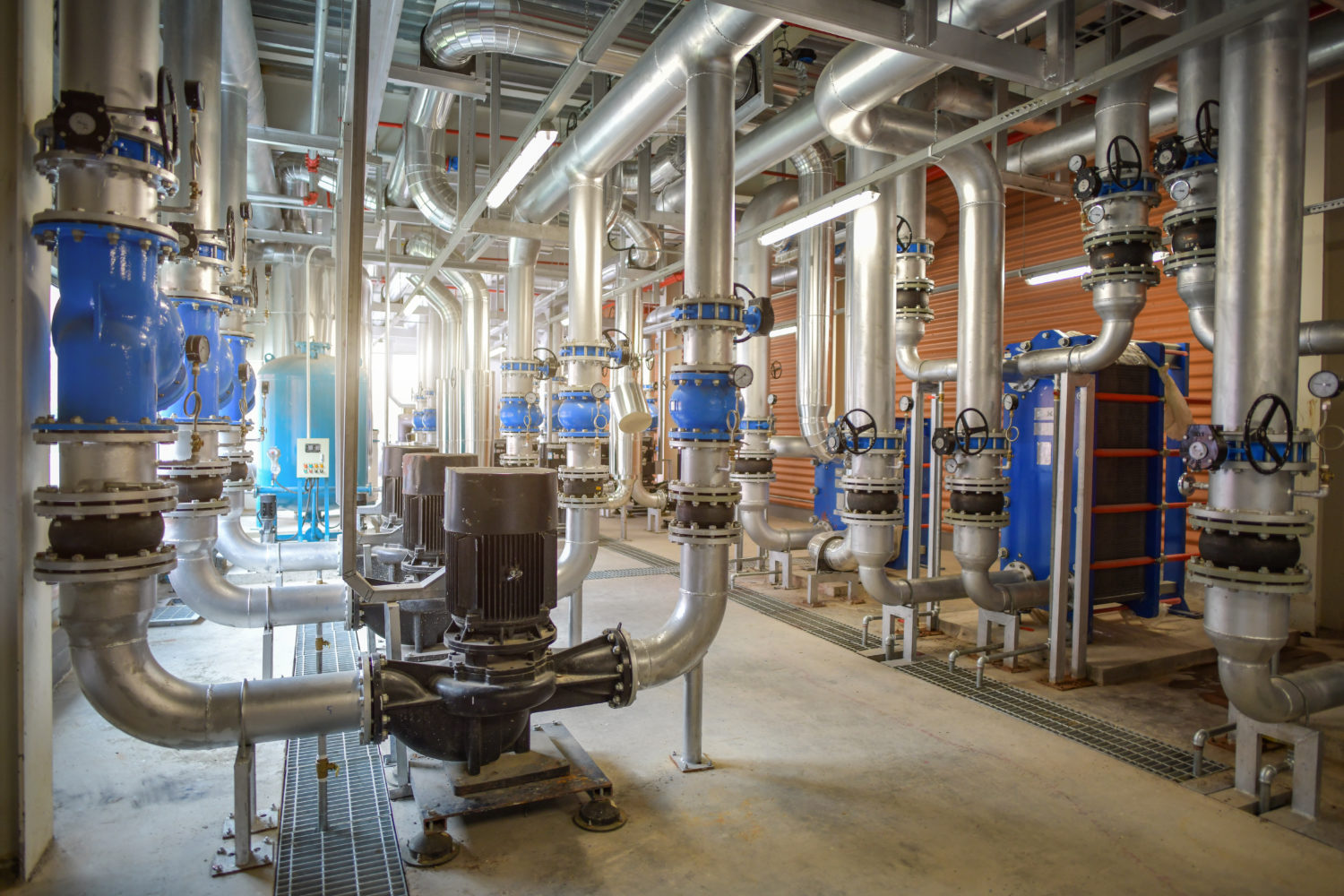
Can Vacuum Pumps Be Used for Leak Detection?
Yes, vacuum pumps can be used for leak detection purposes. Here’s a detailed explanation:
Leak detection is a critical task in various industries, including manufacturing, automotive, aerospace, and HVAC. It involves identifying and locating leaks in a system or component that may result in the loss of fluids, gases, or pressure. Vacuum pumps can play a significant role in leak detection processes by creating a low-pressure environment and facilitating the detection of leaks through various methods.
Here are some ways in which vacuum pumps can be used for leak detection:
1. Vacuum Decay Method: The vacuum decay method is a common technique used for leak detection. It involves creating a vacuum in a sealed system or component using a vacuum pump and monitoring the pressure change over time. If there is a leak present, the pressure will gradually increase due to the ingress of air or gas. By measuring the rate of pressure rise, the location and size of the leak can be estimated. Vacuum pumps are used to evacuate the system and establish the initial vacuum required for the test.
2. Bubble Testing: Bubble testing is a simple and visual method for detecting leaks. In this method, the component or system being tested is pressurized with a gas, and then immersed in a liquid, typically soapy water. If there is a leak, the gas escaping from the component will form bubbles in the liquid, indicating the presence and location of the leak. Vacuum pumps can be used to create a pressure differential that forces gas out of the leak, making it easier to detect the bubbles.
3. Helium Leak Detection: Helium leak detection is a highly sensitive method used to locate extremely small leaks. Helium, being a small atom, can easily penetrate small openings and leaks. In this method, the system or component is pressurized with helium gas, and a vacuum pump is used to evacuate the surrounding area. A helium leak detector is then used to sniff or scan the area for the presence of helium, indicating the location of the leak. Vacuum pumps are essential for creating the low-pressure environment required for this method and ensuring accurate detection.
4. Pressure Change Testing: Vacuum pumps can also be used in pressure change testing for leak detection. This method involves pressurizing a system or component and then isolating it from the pressure source. The pressure is monitored over time, and any significant pressure drop indicates the presence of a leak. Vacuum pumps can be used to evacuate the system after pressurization, returning it to atmospheric pressure for comparison or retesting.
5. Mass Spectrometer Leak Detection: Mass spectrometer leak detection is a highly sensitive and precise method used to identify and quantify leaks. It involves introducing a tracer gas, usually helium, into the system or component being tested. A vacuum pump is used to evacuate the surrounding area, and a mass spectrometer is employed to analyze the gas samples for the presence of the tracer gas. This method allows for accurate detection and quantification of leaks down to very low levels. Vacuum pumps are crucial for creating the necessary vacuum conditions and ensuring reliable results.
In summary, vacuum pumps can be effectively used for leak detection purposes. They facilitate various leak detection methods such as vacuum decay, bubble testing, helium leak detection, pressure change testing, and mass spectrometer leak detection. Vacuum pumps create the required low-pressure environment, assist in evacuating the system or component being tested, and enable accurate and reliable leak detection. The choice of vacuum pump depends on the specific requirements of the leak detection method and the sensitivity needed for the application.
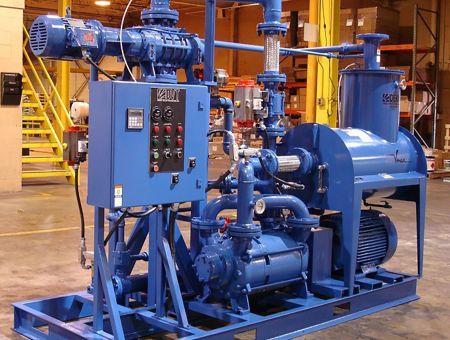
Can Vacuum Pumps Be Used in Laboratories?
Yes, vacuum pumps are extensively used in laboratories for a wide range of applications. Here’s a detailed explanation:
Vacuum pumps are essential tools in laboratory settings as they enable scientists and researchers to create and control vacuum or low-pressure environments. These controlled conditions are crucial for various scientific processes and experiments. Here are some key reasons why vacuum pumps are used in laboratories:
1. Evaporation and Distillation: Vacuum pumps are frequently used in laboratory evaporation and distillation processes. By creating a vacuum, they lower the boiling point of liquids, allowing for gentler and more controlled evaporation. This is particularly useful for heat-sensitive substances or when precise control over the evaporation process is required.
2. Filtration: Vacuum filtration is a common technique in laboratories for separating solids from liquids or gases. Vacuum pumps create suction, which helps draw the liquid or gas through the filter, leaving the solid particles behind. This method is widely used in processes such as sample preparation, microbiology, and analytical chemistry.
3. Freeze Drying: Vacuum pumps play a crucial role in freeze drying or lyophilization processes. Freeze drying involves removing moisture from a substance while it is in a frozen state, preserving its structure and properties. Vacuum pumps facilitate the sublimation of frozen water directly into vapor, resulting in the removal of moisture under low-pressure conditions.
4. Vacuum Ovens and Chambers: Vacuum pumps are used in conjunction with vacuum ovens and chambers to create controlled low-pressure environments for various applications. Vacuum ovens are used for drying heat-sensitive materials, removing solvents, or conducting reactions under reduced pressure. Vacuum chambers are utilized for testing components under simulated space or high-altitude conditions, degassing materials, or studying vacuum-related phenomena.
5. Analytical Instruments: Many laboratory analytical instruments rely on vacuum pumps to function properly. For example, mass spectrometers, electron microscopes, surface analysis equipment, and other analytical instruments often require vacuum conditions to maintain sample integrity and achieve accurate results.
6. Chemistry and Material Science: Vacuum pumps are employed in numerous chemical and material science experiments. They are used for degassing samples, creating controlled atmospheres, conducting reactions under reduced pressure, or studying gas-phase reactions. Vacuum pumps are also used in thin film deposition techniques like physical vapor deposition (PVD) and chemical vapor deposition (CVD).
7. Vacuum Systems for Experiments: In scientific research, vacuum systems are often designed and constructed for specific experiments or applications. These systems can include multiple vacuum pumps, valves, and chambers to create specialized vacuum environments tailored to the requirements of the experiment.
Overall, vacuum pumps are versatile tools that find extensive use in laboratories across various scientific disciplines. They enable researchers to control and manipulate vacuum or low-pressure conditions, facilitating a wide range of processes, experiments, and analyses. The choice of vacuum pump depends on factors such as required vacuum level, flow rate, chemical compatibility, and specific application needs.


editor by CX 2023-12-13