Product Description
DRF Series Roots Vacuum Pumps
Advantages
DRF series roots vacuum pump is a technically mature vacuum pumping equipment, which help fore vacuum pump expand its working range under low inlet pressure condition after combing with fore vacuum pump:
1.Improve vacuum degree.
System vacuum degree could be enhanced to 1 order of magnitude higher if equipping with roots vacuum pump. If with 2 stage roots vacuum pump, performance could be even higher.
2.Increase pumping speed.
A pair of rotors of roots pump doesn’t contact with each other while rotating in high speed mode, which means small size roots pump also can be with high pumping speed. Fore vacuum pump can pump large capacity air in low speed by selecting suitable roots pump, obviously reducing energy consumption comparing with single fore vacuum pump with same speed.
3.Oil free
No oil in pump chamber of roots pump, no pollution on the pumped medium.
4.Superior character.
With transmission system adopting flexible hydraulic device – a kind of high-efficiency power transmission method, DRF series roots vacuum pump is with compact structure and superior characters as below:
1).Under reducing bypass pipes and valves installed or leaving inverter out designing condition, vacuum pump could acquire much better pumping effect than traditional booster pump, significantly saving production cost of hardware and decreasing the controlling requirement.
2).Hydraulic transmission device could automatically adjust pumping speed, motor will not be overloading or overheating even pumps work under high pressure condition.
3).Comparing with traditional direct driven, Roots vacuum pump will not get damaged even while inlet pressure changes in a sudden or aspiring foreign matter, stop failure rate can be much reduced.
4).At atmospheric pressure, DRF series roots vacuum pump can start with fore vacuum pump in the same time but motor will not be overloading, which can work for pumping process in earlier stage, shortening visibly pumping time, especially applying to applications which require for fast pumping speed.
5).Running in very smooth way, tiny vibration.
6).Reliable bearing sealing structure which ensures that no lubricant in pump chamber.
7).No bypass and valves, easy and simple maintainence.
Application
1.Industry: medical technology, industrial leakage detecting, electron beam welding, vacuum isolating, lamps&tubes manufacturing, heating processing,vacuum drying, lyophilization, vacuum furnace, metallurgical engineering.
2.R&D: nuclear research, melt technology, plasma research, tevatron, spatial simulation, low temperature research, elementary particle physics, nanotechnology, biotechnology.
3.Coating&Metallization: FPD(flat-panel display), LED/OLED, hard disk coating, photovoltaic cell, glass-type coating, CD-DVD-Blue ray, optical filming, wear-resistant coating.
4.Semiconductor: photoetching, printing & graphic arts, physical vapor deposition, chemical vapor deposition, plasma etching, ion implantation, beam injection, viewing, gluing, molecular beam epitaxy.
Technical Prameters
| Model | Unit | DRF300 | DRF500 | DRF750 | DRF1000 | DRF2200 | DRF3600 | ||||||
| 50Hz | 60Hz | 50Hz | 60Hz | 50Hz | 60Hz | 50Hz | 60Hz | 50Hz | 60Hz | 50Hz | 60Hz | ||
| Nominal Pumping Speed | m3/h | 300 | 360 | 540 | 648 | 750 | 900 | 1000 | 1200 | 2200 | 2600 | 3600 | 4200 |
| L/S | 83 | 100 | 150 | 180 | 208 | 250 | 278 | 333 | 611 | 722 | 1000 | 1167 | |
| Ultimate pressure* | Pa | <2 | <1 | ||||||||||
| Motor power** | kw | 1.5/2.2 | 3.0/4.0 | 7.5/11 | |||||||||
| Motor rated rotation | rpm | 2900 | 3480 | 2900 | 3480 | 2900 | 3480 | 2900 | 3480 | 2900 | 3480 | 2900 | 3480 |
| Noise level | db(A) | 64 | 65 | 64 | 65 | 68 | 69 | 68 | 69 | 73 | 74 | 73 | 74 |
| Inlet connection | DN | ISO63 | ISO100 | ISO160 | ISO160 | ISO160 | ISO250 | ||||||
| Outlet connection | DN | ISO40 | ISO63 | ISO100 | ISO100 | ISO100 | ISO100 | ||||||
| A end oil capacity | Liter | 1.5 | 2.4 | 6.8 | |||||||||
| B end oil capacity | Liter | 0.8 | 1.3 | 3.7 | |||||||||
| Sealing oil capacity | Liter | 0.13 | 0.15 | ||||||||||
| Cooling water connection*** | Inch | 1/4″ | 3/8″ | ||||||||||
| Gross weight | kg | 79 | 92 | 130 | 155 | 330 | 410 | ||||||
| Dimensions(L*W*H) | mm | 783*323*324 | 863*323*304 | 932*330*384 | 992*330*384 | 1125*522*519 | 1365*522*519 | ||||||
*) Specifications are subject to change without prior notice
About CHINAMFG
Packaging&Shipping
Q1: Are you factory or trade company?
A1: We are factory.
Q2: What the exactly address of your factory?
A2: Our company is located in No. 6767, Tingfeng Rd. Xihu (West Lake) Dis.n District, ZheJiang 201502, China
And our factory is located in No. 366, YangzhuangBang Street, Pingxing Rd., Xindai Town, HangZhou, ZHangZhoug Province, China
Q3: Warranty terms of your machine?
A3: Two years warranty for the machine and technical support according to your needs.
Q4: Will you provide some spare parts of the machines?
A4: Yes, of course.
Q5: How long will you take to arrange production?
A5: 380V 50HZ we can delivery the goods within 10 days. Other electricity or other color we will delivery within 22 days
Q6: Can you accept OEM orders?
A6: Yes, with professional design team, OEM orders are highly welcome.
/* March 10, 2571 17:59:20 */!function(){function s(e,r){var a,o={};try{e&&e.split(“,”).forEach(function(e,t){e&&(a=e.match(/(.*?):(.*)$/))&&1
| Oil or Not: | Oil |
|---|---|
| Structure: | Rotary Vacuum Pump |
| Exhauster Method: | Positive Displacement Pump |
| Vacuum Degree: | Vacuum |
| Work Function: | Mainsuction Pump |
| Working Conditions: | Wet |
| Customization: |
Available
|
|
|---|
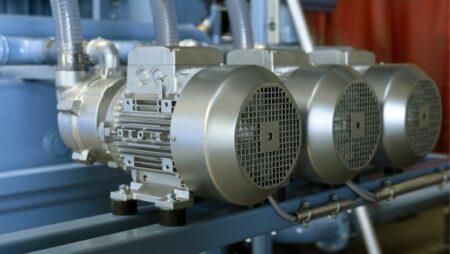
What Is the Vacuum Level and How Is It Measured in Vacuum Pumps?
The vacuum level refers to the degree of pressure below atmospheric pressure in a vacuum system. It indicates the level of “emptiness” or the absence of gas molecules in the system. Here’s a detailed explanation of vacuum level measurement in vacuum pumps:
Vacuum level is typically measured using pressure units that represent the difference between the pressure in the vacuum system and atmospheric pressure. The most common unit of measurement for vacuum level is the Pascal (Pa), which is the SI unit. Other commonly used units include Torr, millibar (mbar), and inches of mercury (inHg).
Vacuum pumps are equipped with pressure sensors or gauges that measure the pressure within the vacuum system. These gauges are specifically designed to measure the low pressures encountered in vacuum applications. There are several types of pressure gauges used for measuring vacuum levels:
1. Pirani Gauge: Pirani gauges operate based on the thermal conductivity of gases. They consist of a heated element exposed to the vacuum environment. As gas molecules collide with the heated element, they transfer heat away, causing a change in temperature. By measuring the change in temperature, the pressure can be inferred, allowing the determination of the vacuum level.
2. Thermocouple Gauge: Thermocouple gauges utilize the thermal conductivity of gases similar to Pirani gauges. They consist of two dissimilar metal wires joined together, forming a thermocouple. As gas molecules collide with the thermocouple, they cause a temperature difference between the wires, generating a voltage. The voltage is proportional to the pressure and can be calibrated to provide a reading of the vacuum level.
3. Capacitance Manometer: Capacitance manometers measure pressure by detecting the change in capacitance between two electrodes caused by the deflection of a flexible diaphragm. As the pressure in the vacuum system changes, the diaphragm moves, altering the capacitance and providing a measurement of the vacuum level.
4. Ionization Gauge: Ionization gauges operate by ionizing gas molecules in the vacuum system and measuring the resulting electrical current. The ion current is proportional to the pressure, allowing the determination of the vacuum level. There are different types of ionization gauges, such as hot cathode, cold cathode, and Bayard-Alpert gauges.
5. Baratron Gauge: Baratron gauges utilize the principle of capacitance manometry but with a different design. They consist of a pressure-sensing diaphragm separated by a small gap from a reference electrode. The pressure difference between the vacuum system and the reference electrode causes the diaphragm to deflect, changing the capacitance and providing a measurement of the vacuum level.
It’s important to note that different types of vacuum pumps may have different pressure ranges and may require specific pressure gauges suitable for their operating conditions. Additionally, vacuum pumps are often equipped with multiple gauges to provide information about the pressure at different stages of the pumping process or in different parts of the system.
In summary, vacuum level refers to the pressure below atmospheric pressure in a vacuum system. It is measured using pressure gauges specifically designed for low-pressure environments. Common types of pressure gauges used in vacuum pumps include Pirani gauges, thermocouple gauges, capacitance manometers, ionization gauges, and Baratron gauges.
\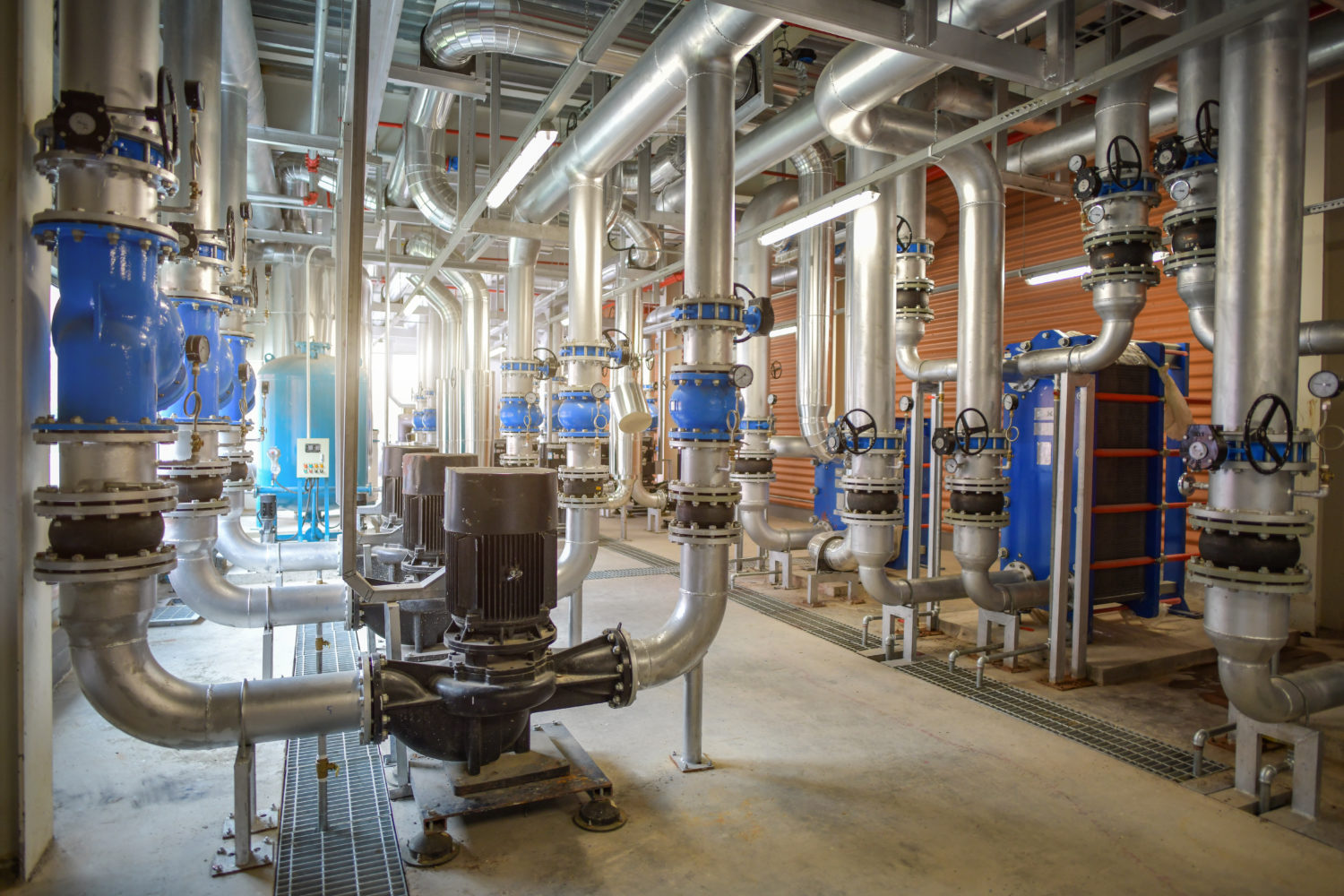
Can Vacuum Pumps Be Used for Leak Detection?
Yes, vacuum pumps can be used for leak detection purposes. Here’s a detailed explanation:
Leak detection is a critical task in various industries, including manufacturing, automotive, aerospace, and HVAC. It involves identifying and locating leaks in a system or component that may result in the loss of fluids, gases, or pressure. Vacuum pumps can play a significant role in leak detection processes by creating a low-pressure environment and facilitating the detection of leaks through various methods.
Here are some ways in which vacuum pumps can be used for leak detection:
1. Vacuum Decay Method: The vacuum decay method is a common technique used for leak detection. It involves creating a vacuum in a sealed system or component using a vacuum pump and monitoring the pressure change over time. If there is a leak present, the pressure will gradually increase due to the ingress of air or gas. By measuring the rate of pressure rise, the location and size of the leak can be estimated. Vacuum pumps are used to evacuate the system and establish the initial vacuum required for the test.
2. Bubble Testing: Bubble testing is a simple and visual method for detecting leaks. In this method, the component or system being tested is pressurized with a gas, and then immersed in a liquid, typically soapy water. If there is a leak, the gas escaping from the component will form bubbles in the liquid, indicating the presence and location of the leak. Vacuum pumps can be used to create a pressure differential that forces gas out of the leak, making it easier to detect the bubbles.
3. Helium Leak Detection: Helium leak detection is a highly sensitive method used to locate extremely small leaks. Helium, being a small atom, can easily penetrate small openings and leaks. In this method, the system or component is pressurized with helium gas, and a vacuum pump is used to evacuate the surrounding area. A helium leak detector is then used to sniff or scan the area for the presence of helium, indicating the location of the leak. Vacuum pumps are essential for creating the low-pressure environment required for this method and ensuring accurate detection.
4. Pressure Change Testing: Vacuum pumps can also be used in pressure change testing for leak detection. This method involves pressurizing a system or component and then isolating it from the pressure source. The pressure is monitored over time, and any significant pressure drop indicates the presence of a leak. Vacuum pumps can be used to evacuate the system after pressurization, returning it to atmospheric pressure for comparison or retesting.
5. Mass Spectrometer Leak Detection: Mass spectrometer leak detection is a highly sensitive and precise method used to identify and quantify leaks. It involves introducing a tracer gas, usually helium, into the system or component being tested. A vacuum pump is used to evacuate the surrounding area, and a mass spectrometer is employed to analyze the gas samples for the presence of the tracer gas. This method allows for accurate detection and quantification of leaks down to very low levels. Vacuum pumps are crucial for creating the necessary vacuum conditions and ensuring reliable results.
In summary, vacuum pumps can be effectively used for leak detection purposes. They facilitate various leak detection methods such as vacuum decay, bubble testing, helium leak detection, pressure change testing, and mass spectrometer leak detection. Vacuum pumps create the required low-pressure environment, assist in evacuating the system or component being tested, and enable accurate and reliable leak detection. The choice of vacuum pump depends on the specific requirements of the leak detection method and the sensitivity needed for the application.
Can Vacuum Pumps Be Used in Food Processing?
Yes, vacuum pumps are widely used in food processing for various applications. Here’s a detailed explanation:
Vacuum pumps play a crucial role in the food processing industry by enabling the creation and maintenance of vacuum or low-pressure environments. They offer several benefits in terms of food preservation, packaging, and processing. Here are some common applications of vacuum pumps in food processing:
1. Vacuum Packaging: Vacuum pumps are extensively used in vacuum packaging processes. Vacuum packaging involves removing air from the packaging container to create a vacuum-sealed environment. This process helps extend the shelf life of food products by inhibiting the growth of spoilage-causing microorganisms and reducing oxidation. Vacuum pumps are used to evacuate the air from the packaging, ensuring a tight seal and maintaining the quality and freshness of the food.
2. Freeze Drying: Vacuum pumps are essential in freeze drying or lyophilization processes used in food processing. Freeze drying involves removing moisture from food products while they are frozen, preserving their texture, flavor, and nutritional content. Vacuum pumps create a low-pressure environment that allows frozen water to directly sublimate from solid to vapor, resulting in the removal of moisture from the food without causing damage or loss of quality.
3. Vacuum Cooling: Vacuum pumps are utilized in vacuum cooling processes for rapid and efficient cooling of food products. Vacuum cooling involves placing the food in a vacuum chamber and reducing the pressure. This lowers the boiling point of water, facilitating the rapid evaporation of moisture and heat from the food, thereby cooling it quickly. Vacuum cooling helps maintain the freshness, texture, and quality of delicate food items such as fruits, vegetables, and bakery products.
4. Vacuum Concentration: Vacuum pumps are employed in vacuum concentration processes in the food industry. Vacuum concentration involves removing excess moisture from liquid food products to increase their solids content. By creating a vacuum, the boiling point of the liquid is reduced, allowing for gentle evaporation of water while preserving the desired flavors, nutrients, and viscosity of the product. Vacuum concentration is commonly used in the production of juices, sauces, and concentrates.
5. Vacuum Mixing and Deaeration: Vacuum pumps are used in mixing and deaeration processes in food processing. In the production of certain food products such as chocolates, confectioneries, and sauces, vacuum mixing is employed to remove air bubbles, achieve homogeneity, and improve product texture. Vacuum pumps aid in the removal of entrapped air and gases, resulting in smooth and uniform food products.
6. Vacuum Filtration: Vacuum pumps are utilized in food processing for vacuum filtration applications. Vacuum filtration involves separating solids from liquids or gases using a filter medium. Vacuum pumps create suction that draws the liquid or gas through the filter, leaving behind the solid particles. Vacuum filtration is commonly used in processes such as clarifying liquids, removing impurities, and separating solids from liquids in the production of beverages, oils, and dairy products.
7. Marinating and Brining: Vacuum pumps are employed in marinating and brining processes in the food industry. By applying a vacuum to the marinating or brining container, the pressure is reduced, allowing the marinade or brine to penetrate the food more efficiently. Vacuum marinating and brining help enhance flavor absorption, reduce marinating time, and improve the overall taste and texture of the food.
8. Controlled Atmosphere Packaging: Vacuum pumps are used in controlled atmosphere packaging (CAP) systems in the food industry. CAP involves modifying the gas composition within food packaging to extend the shelf life and maintain the quality of perishable products. Vacuum pumps aid in the removal of oxygen or other unwanted gases from the package, allowing the introduction of a desired gas mixture that preserves the food’s freshness and inhibits microbial growth.
These are just a few examples of how vacuum pumps are used in food processing. The ability to create and control vacuum or low-pressure environments is a valuable asset in preserving food quality, enhancing shelf life, and facilitating various processing techniques in the food industry.


editor by CX 2024-01-04