Opis przedmiotu
Pompy z pierścieniem wodnym były początkowo wykorzystywane jako pompy samozasysające. Składają się one z wirnika, korpusu pompy, tarczy ssawnej i wylotowej, pierścienia wodnego utworzonego w ściance korpusu pompy, króćca ssawnego, króćca wylotowego, pomocniczego zaworu wylotowego itd.
Metoda pompy pierścieniowej do wody pitnej
Metoda pompowania wody pitnej pierścieniem (4 arkusze)
W licznych procesach produkcji przemysłowej, takich jak filtracja próżniowa, próżniowe rozdzielanie wody, podawanie próżniowe, odparowywanie próżniowe, ogniskowanie próżniowe, ponowne zbieranie próżniowe i odgazowywanie próżniowe, pompy pierścieniowe do wody pitnej są szeroko stosowane. Ze względu na szybki rozwój technologii próżniowych, pompy pierścieniowe do wody pitnej są coraz częściej wykorzystywane do uzyskiwania próżni surowej. Ponieważ sprężanie paliwa w pompie pierścieniowej do wody jest izotermiczne, może ona usuwać gazy łatwopalne i wybuchowe, a także eliminować pył i benzynę zawierającą wodę, co powoduje wzrost zastosowania pomp pierścieniowych do wody pitnej.
Cały korpus pompy jest wypełniony dopuszczalną ilością wody jako cieczy roboczej. Gdy wirnik obraca się zgodnie z ruchem wskazówek zegara, woda jest rozrzucana przez wirnik. Dzięki napędowi odśrodkowemu woda tworzy zamknięty pierścień o mniej więcej takiej samej grubości, która zależy od stanu wnęki pompy. Dolna powierzchnia wewnętrzna pierścienia wodnego jest styczna do piasty wirnika, a górna powierzchnia wewnętrzna pierścienia wodnego styka się z powierzchnią czołową łopatki (w rzeczywistości łopatka ma określoną głębokość wsunięcia w pierścień wodny). W tym momencie, pomiędzy piastą wirnika a pierścieniem wodnym powstaje półksiężycowata przestrzeń, a przestrzeń ta jest podzielona przez wirnik na kilka małych wnęk równych liczbie łopatek. Jeżeli dolna część wirnika znajduje się w punkcie początkowym 0°, wówczas wirnik obraca się o 180° do przodu, zwiększając objętość małej komory od małej do dużej i łącząc się z otworem ssącym na końcu, w tym momencie gaz jest wdychany, gdy koniec małej komory ssącej jest odizolowany od otworu ssącego. Gdy wirnik nadal się obraca, mała komora zmienia się od dużej do małej, tak że paliwo jest sprężane. Gdy mała komora jest połączona z otworem wydechowym, paliwo zostanie wyładowane z pompy.
Podsumowując, działanie pompy pierścieniowej do wody pitnej opiera się na zmianie objętości komory pompy w celu realizacji zasysania, sprężania i wydechu, dlatego należy ona do pomp próżniowych o zmiennej objętości.
Wirnik jest zamontowany w korpusie pompy mimośrodowo. Podczas obrotu wirnika, woda wpływająca do korpusu pompy jest rozrzucana przez wirnik dookoła. Pod wpływem ciśnienia odśrodkowego woda tworzy zamknięty pierścień wodny o grubości odpowiadającej kształtowi komory pompy. Górna powierzchnia wewnętrzna pierścienia wodnego jest styczna do piasty koła wirnika, a dolna powierzchnia wewnętrzna pierścienia wodnego styka się z górną krawędzią łopatki. Na tym etapie, pomiędzy piastą wirnika a pierścieniem wodnym tworzy się sierpowata przestrzeń, podzielona przez wirnik na wiele mniejszych wnęk, których liczba odpowiada liczbie łopatek. Jeśli górna część wirnika ° jako punkt początkowy, a następnie na wlocie obracającego się wirnika, sto osiemdziesiąt °, mała objętość komory powoli zmienia się z małej na dużą, naprężenie stopniowo maleje, a kopalnie z otworem ssącym tacy ssącej lub tłocznej, gdy ciśnienie w małej przestrzeni komory jest mniejsze niż naprężenie zbiornika pompy, zgodnie z teorią równowagi sił paliwa, pompowane paliwo jest zasysane do małej komory, w procesie ssania. Gdy ssanie jest osiągnięte z odizolowanym portem ssącym, objętość małej komory stopniowo maleje, naprężenie rośnie, w tym momencie następuje proces sprężania, gdy sprężone paliwo osiąga siłę wydechu z wyprzedzeniem, z pomocniczego zaworu wydechowego z wyprzedzeniem. Z obszaru połączonego z odpowietrznikiem niewielka ilość wnęki dodatkowo zmniejsza wzrost ciśnienia jeszcze bardziej, a gdy ciśnienie paliwa jest wyższe niż ciśnienie wydechu, sprężone powietrze, aby wydostać się z odpowietrznika, jest w procedurze trwającego procesu pompy, wielokrotnie przeprowadzając ssanie, sprężanie, proces wydechu, aby uzyskać cel ciągłej ekstrakcji.
pozytywne aspekty
Prosta konstrukcja, niskie wymagania dotyczące precyzji produkcji, łatwość obróbki.
Kompaktowa konstrukcja, duży skok pompy, zazwyczaj możliwość bezpośredniego połączenia z silnikiem, brak reduktora. Dzięki temu, przy niewielkich rozmiarach, można uzyskać dużą pojemność skokową, a powierzchnia styku jest również niewielka.
Paliwo sprężone jest w zasadzie izotermiczne, co oznacza, że zmiany temperatury sprężonej benzyny ulegają niewielkim zmianom.
Ponieważ w komorze pompy nie ma metalowej powierzchni ciernej, nie ma potrzeby smarowania pompy, a jej uszczelnienie jest bardzo proste. Uszczelnienie między elementami obrotowymi a elementami zamocowanymi można uzyskać bezpośrednio za pomocą uszczelnienia wodnego.
Równomierne ssanie, stabilna i niezawodna praca, prosta obsługa, wygodna rutynowa konserwacja.
Typowe usterki i metody rozwiązywania problemów
Początkowy stopień pompy próżniowej jest niewystarczający
Prawdopodobne przyczyny: Niedostateczna moc silnika zapewnia niewystarczającą prędkość. Niedostateczne dostarczanie wody pitnej. Zbyt duża szczelina między wirnikiem a płytą rozdzielczą. Uszkodzenie uszczelnienia mechanicznego powodujące wyciek wody. Zbyt duże zużycie wirnika. Nie można odprowadzić krążącej wody pitnej.
Metoda eliminacji: sprawdź, czy napięcie zasilania elektrycznego mieści się w zakresie napięcia znamionowego silnika. Zwiększ dopływ wody pitnej (musi być kontrolowany w odpowiednim zakresie, zazwyczaj prowadzi to do przeciążenia silnika). Wyreguluj luz między wirnikiem a płytą rozdzielczą (zwykle 15-20 mm). Wymień uszczelnienie mechaniczne. Wymień wirnik. Sprawdź rurę wylotową wody pitnej.
Dwa, nie można rozpocząć lub rozpocząć odtwarzania dźwięku
Możliwe przyczyny: Niewystarczające napięcie zasilania silnika. Brak fazy w silniku. Pompa nie jest używana przez dłuższy czas, co powoduje korozję. Cząsteczki w ssaniu pompy. Płyta rozdzielcza z oporem wirnika.
Podejście do rozwiązywania problemów: Sprawdź, czy napięcie zasilania nie jest zbyt niskie. Sprawdź, czy okablowanie silnika jest solidne. Jeżeli pompa nie jest podatna na korozję przez dłuższy czas, możesz użyć środka do usuwania rdzy lub otworzyć osłonę pompy, aby sztucznie pozbyć się rdzy. Otwórz pokrywę pompy, aby pozbyć się cząstek. Zmień długość między wirnikiem a płytą rozdzielczą.
3. przegrzanie silnika
Możliwe przyczyny: zbyt duża ilość dostarczanej wody, ryzyko przeciążenia silnika, utrata stopnia mocy silnika, zablokowany odpowietrznik, wirnik zaciągający inne części.
Metoda eliminacji: zmniejsz dopływ wody pitnej do zwykłego zakresu (patrz zalecenia dotyczące źródła cieczy podane w instrukcji obsługi pompy). Sprawdź, czy okablowanie jest dobrze podłączone. Sprawdź otwór wylotowy. Otwórz pokrywę pompy, aby wyregulować odstęp między wirnikiem a innymi obszarami.
Cztery, niewystarczający ruch
Możliwe przyczyny: Nieszczelność rury Spadek oporu wzrośnie
Metoda eliminacji: sprawdź uszczelnienie mechaniczne w złączu. Sprawdź rury i zawory zwrotne pod kątem uszkodzeń.
Normalna rutynowa konserwacja
(1) Podczas normalnej pracy należy zwrócić uwagę na sprawdzenie działania i smarowania łożysk. Temperatura (łożyska i zewnętrznego pierścienia) jest zazwyczaj o 15°C ~ 20°C wyższa od temperatury otoczenia, a najwyższa temperatura nie może przekraczać 30°C ~ 35°C, co oznacza, że rzeczywista temperatura zewnętrznego pierścienia ramy łożyska nie powinna przekraczać 55°C ~ 60°C. Normalnie pracujące łożyska należy uzupełniać 3 ~ 4 razy w roku, łożyska należy czyścić co najmniej raz w roku i wymieniać cały olej smarowy.
(2) W standardowych warunkach pracy uszczelnienie musi być często dociskane. Jeśli uszczelnienie nie gwarantuje wymaganej funkcjonalności uszczelnienia po założeniu, należy je wymienić. Jeśli uszczelnienie mechaniczne jest używane i stwierdzono nieszczelność, należy sprawdzić, czy pierścień statyczny i statyczny uszczelnienia mechanicznego nie jest uszkodzony lub czy uszczelnienie pomocnicze nie jest zużyte. W takich przypadkach konieczna jest wymiana części.
(3) W przypadku pojawienia się unikalnego dźwięku można wyeliminować płytę naprężeniową na 2 końcach wtyczki, sprawdzić, czy 2 powierzchnie oporowe wirnika i dystrybutora nie są uszkodzone, a także sprawdzić, czy płyta zaworu wydechowego jest typowa.
Kryteria wyboru
1. Specyfikacja jednostki próżniowej pompy z pierścieniem wodnym 2. Zapotrzebowanie na prędkość pompowania pompy z pierścieniem wodnym 3. Warunki pracy pompy z pierścieniem wodnym 4. Moc silnika pompy z pierścieniem wodnym 5. Zapotrzebowanie na napięcie pompy z pierścieniem wodnym 6. Specyfikacja materiałów pompy z pierścieniem wodnym.
Kwestie wymagające zainteresowania
Zabierz
Przed demontażem należy odsłonić zbiornik wody pitnej w komorze pompy oraz zdemontować elementy separatora paliwa i wody pitnej i rury ssącej. Podczas demontażu należy bardzo ostrożnie usunąć wszystkie uszczelki. W przypadku uszkodzenia, należy wymienić tę samą uszczelkę. Pompę należy zdemontować od tyłu (bez sprzęgła lub blokady koła pasowego) w następnym kroku:
(1) Zdjąć tylną pokrywę łożyska wału, poluzować 2 okrągłe nakrętki ręką haczykowatą, wyjąć gniazdo łożyska i łożysko
(2) Odkręcić nakrętkę dławnicy i pozbyć się dławnicy
(3) pozbądź się śruby sześciokątnej łączącej pompę, przejdź do korpusu pompy i śruby u podstawy pompy, aby ją zabezpieczyć, zdejmij tylną pokrywę końcową
(4) wyeliminuj cały korpus pompy
(5) Odkręcić śrubę stopki przy drugim ograniczniku
(6) zdejmij sprzęgło i pozbądź się ważnego elementu na wale
(7) Przed montażem należy usunąć elementy łożyska.
(8) Zdejmij przednią osłonę wykończeniową i wyjmij wał i wirnik razem z sobą.
Po rozmontowaniu elementy należy pokryć olejem stykające się powierzchnie, w celu zabezpieczenia należy również pokryć olejem gwinty.
|
/ Ustawić | |
1 zestaw (Min. zamówienie) |
###
| Serwis posprzedażowy: | Jeden rok |
|---|---|
| Gwarancja: | Jeden rok |
| Olej czy nie: | Bez oleju |
| Struktura: | Pompa próżniowa rotacyjna |
| Metoda wyciągowa: | Pompa wyporowa |
| Stopień próżni: | Niska próżnia |
|
/ Ustawić | |
1 zestaw (Min. zamówienie) |
###
| Serwis posprzedażowy: | Jeden rok |
|---|---|
| Gwarancja: | Jeden rok |
| Olej czy nie: | Bez oleju |
| Struktura: | Pompa próżniowa rotacyjna |
| Metoda wyciągowa: | Pompa wyporowa |
| Stopień próżni: | Niska próżnia |
Podstawowa wiedza o pompie próżniowej
Pompa próżniowa to urządzenie, które pobiera cząsteczki gazu z zamkniętej przestrzeni i utrzymuje częściową próżnię. Jej głównym zadaniem jest wytworzenie względnej próżni w danej objętości lub objętościach. Istnieje wiele rodzajów pomp próżniowych. W tym artykule opisano ich działanie, rodzaje i zastosowania. 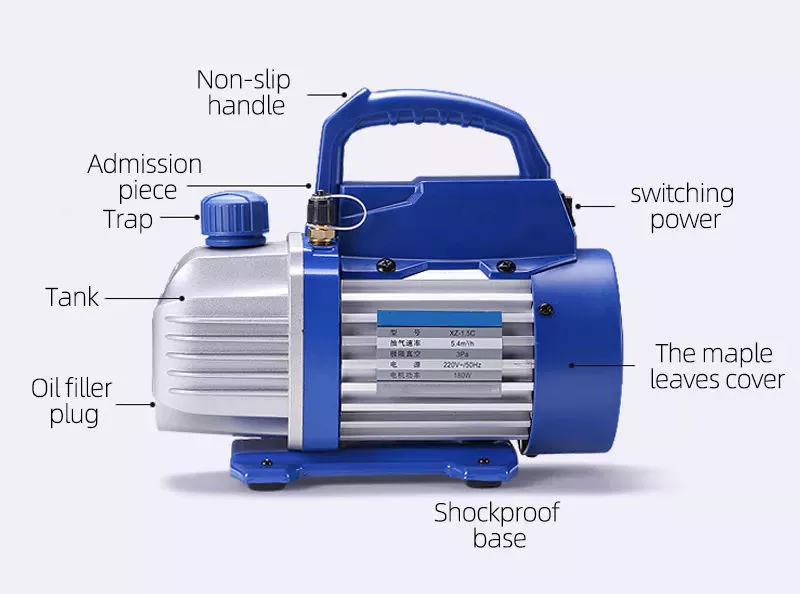
Jak to działa
Pompa próżniowa to urządzenie mechaniczne, które usuwa gaz z układu poprzez zastosowanie ciśnienia wyższego niż ciśnienie otaczającej atmosfery. Zasada działania pompy próżniowej opiera się na zasadzie przenoszenia i zatrzymywania gazu. Pompy próżniowe można klasyfikować według poziomu próżni oraz liczby cząsteczek, które można usunąć na centymetr sześcienny przestrzeni. W próżni średniej i wysokiej przepływ lepki występuje, gdy cząsteczki gazu zderzają się ze sobą. Zwiększenie próżni powoduje przepływ cząsteczkowy lub przejściowy.
Pompa próżniowa składa się z kilku elementów, które czynią ją wszechstronnym narzędziem. Jednym z głównych elementów jest silnik, który składa się z wirnika i stojana. Wirnik i stojan zawierają cewki, które po wzbudzeniu generują pole magnetyczne. Obie części muszą być zamontowane na podstawie, która utrzyma ciężar pompy. Pompa posiada również spust oleju, który rozprowadza olej po całym układzie, zapewniając smarowanie i chłodzenie.
Innym rodzajem pompy próżniowej jest pompa próżniowa z pierścieniem cieczowym. Działa ona poprzez umieszczenie wirnika nad lub pod łopatkami. Pompy z pierścieniem cieczowym mogą również regulować prędkość wirnika. Jeśli jednak planujesz używać tego typu pompy, zaleca się konsultację ze specjalistą.
Pompy próżniowe działają poprzez przenoszenie cząsteczek gazu do obszarów o wyższym lub niższym ciśnieniu. Wraz ze spadkiem ciśnienia usuwanie cząsteczek staje się trudniejsze. Przemysłowe systemy próżniowe wymagają pomp zdolnych do pracy w zakresie ciśnień od 1 do 10-6 Torr.
Typ
Istnieją różne rodzaje pomp próżniowych. Znajdują one zastosowanie w wielu różnych zastosowaniach, takich jak laboratoria. Głównym celem tych pomp jest usuwanie cząsteczek powietrza lub gazu z komory próżniowej. Różne rodzaje pomp wykorzystują w tym celu różne techniki. Niektóre rodzaje pomp wykorzystują wyporność, inne zaś – technikę pierścienia cieczowego, transferu molekularnego i pułapkowania.
Niektóre z tych pomp są wykorzystywane w procesach przemysłowych, w tym w produkcji lamp próżniowych, kineskopów, oświetlenia elektrycznego i półprzewodników. Są również wykorzystywane w pojazdach mechanicznych do zasilania elementów hydraulicznych i samolotów. Żyroskop jest zazwyczaj sterowany przez te pompy. W niektórych przypadkach są one również wykorzystywane w placówkach medycznych.
Sposób działania pompy próżniowej zależy od rodzaju pompowanego gazu. Istnieją trzy główne typy: pompy wyporowe, pompy wyporowe ujemne i pompy z przeniesieniem pędu. W zależności od rodzaju smarowania, zasady działania tych pomp można dodatkowo podzielić na różne typy. Na przykład suche pompy próżniowe są mniej wrażliwe na gazy i opary.
Innym rodzajem pompy próżniowej jest pompa łopatkowa. Ten typ pompy składa się z dwóch głównych elementów: wirnika i komory próżniowej. Pompy te działają poprzez obracanie ruchomych części w kierunku obudowy pompy. Powierzchnie styku pomp rotacyjnych są zaprojektowane z bardzo małymi prześwitami, aby zapobiec wyciekaniu cieczy na stronę niskiego ciśnienia. Nadają się one do zastosowań próżniowych wymagających niskiej pulsacji i wysokiego, ciągłego przepływu. Nie nadają się jednak do stosowania z materiałami ściernymi.
Istnieje wiele rodzajów pomp próżniowych i ważne jest, aby wybrać odpowiednią do danego zastosowania. Rodzaj pompy zależy od potrzeb i przeznaczenia systemu. Większe pompy mogą pracować w trybie ciągłym, a mniejsze są bardziej odpowiednie do pracy przerywanej. 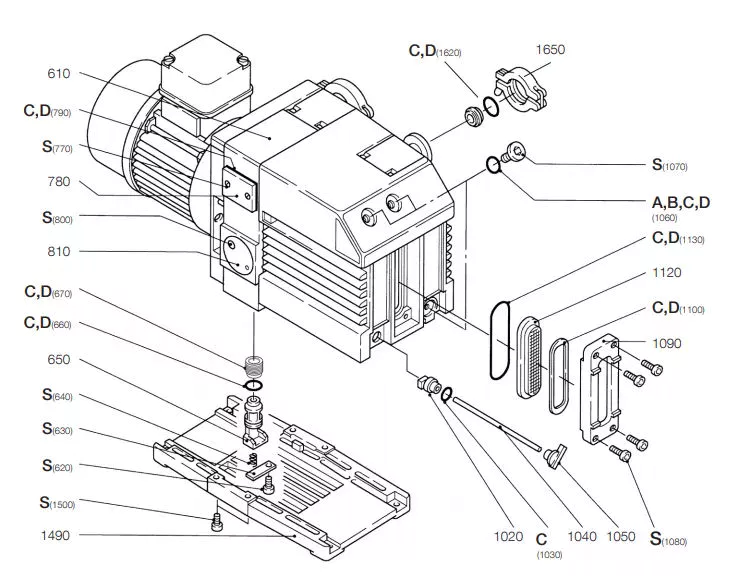
Stosować
Pompy próżniowe są wykorzystywane w wielu procesach przemysłowych i naukowych. Na przykład, są wykorzystywane w produkcji lamp próżniowych, kineskopów (CRT) i lamp elektrycznych. Znajdują również zastosowanie w przetwórstwie półprzewodników. Pompy próżniowe służą również jako podpory mechaniczne dla innych urządzeń. Na przykład, w silniku pojazdu silnikowego może znajdować się wiele pomp próżniowych, które zasilają układy hydrauliczne samolotu. Ponadto, są one często wykorzystywane w badaniach nad fuzją jądrową.
Najpopularniejszym rodzajem pompy próżniowej używanej w laboratorium jest pompa łopatkowa. Działa ona poprzez kierowanie strumienia powietrza przez szereg obracających się łopatek w okrągłej obudowie. Gdy łopatki przechodzą przez obudowę, usuwają gaz z komory i wytwarzają próżnię. Pompy rotacyjne są zazwyczaj jedno- lub dwustopniowe i mogą pracować przy ciśnieniach od 10 do 6 barów. Charakteryzują się również dużą prędkością pompowania.
Pompy próżniowe są również wykorzystywane do wytwarzania ogniw słonecznych na płytkach. Obejmuje to szereg procesów, takich jak domieszkowanie, dyfuzja, trawienie na sucho, osadzanie chemiczne z fazy gazowej wspomagane plazmą oraz wytwarzanie proszku w dużych ilościach. Zastosowania te zależą od rodzaju pompy próżniowej używanej w procesie, a wybrana pompa próżniowa powinna być zaprojektowana z uwzględnieniem warunków środowiskowych.
Chociaż dostępnych jest kilka rodzajów pomp próżniowych, ich podstawowe zasady działania pozostają takie same. Każda z nich ma inne funkcje i wydajność, w zależności od rodzaju próżni. Ogólnie dzieli się je na pompy wyporowe, pompy łopatkowe, pompy z pierścieniem cieczowym i pompy molekularne.
Konserwacja
Za ogólną konserwację i naprawy odpowiada Główny Badacz (PI). Instrukcje Agknx muszą być przestrzegane i zatwierdzone przez Głównego Badacza i innych odpowiednich pracowników laboratorium. Instrukcje Agknx zawierają wytyczne dotyczące rutynowej konserwacji pomp próżniowych. Instrukcje Agknx nie zastępują szczegółowych, rutynowych przeglądów pomp próżniowych, które powinny być przeprowadzane przez certyfikowany/wykwalifikowany personel serwisowy. W przypadku awarii urządzenia użytkownik powinien skontaktować się z Głównym Badaczem lub RP w celu uzyskania pomocy.
Najpierw sprawdź pompę próżniową pod kątem luźnych części. Upewnij się, że manometry wlotowe i wylotowe są otwarte. Gdy ciśnienie w pompie próżniowej będzie prawidłowe, otwórz zasuwę. Sprawdź również wysokość podnoszenia i przepływ pompy próżniowej. Przepływ i wysokość podnoszenia powinny mieścić się w zakresie wskazanym na etykiecie. Temperatura łożysk powinna mieścić się w zakresie 35°F (1°C), a maksymalna temperatura nie powinna przekraczać 80°F (27°C). Tuleję pompy próżniowej należy wymienić, gdy jest mocno zużyta.
Jeśli pompa próżniowa doświadczyła kilku nietypowych warunków pracy, należy przeprowadzić test wydajności. Wyniki należy porównać z wartościami odniesienia w celu identyfikacji nieprawidłowości. Aby uniknąć przedwczesnej awarii pompy, niezbędne jest systematyczne podejście do konserwacji predykcyjnej. Jest to stosunkowo nowy obszar w branży półprzewodników, ale wiodące firmy produkujące półprzewodniki i duzi dostawcy pomp próżniowych nie wypracowali jeszcze spójnego podejścia.
Zaproponowano uproszczoną metodę testu pompowania w celu oceny wydajności pomp próżniowych. Metoda obejmuje symulowane testy napowietrzania w terenie oraz cztery wskaźniki wydajności pomp. Parametry wydajności oceniane są w warunkach testowych z obciążeniem gazowym, bezczynności i w warunkach zależnych od obciążenia gazowego. 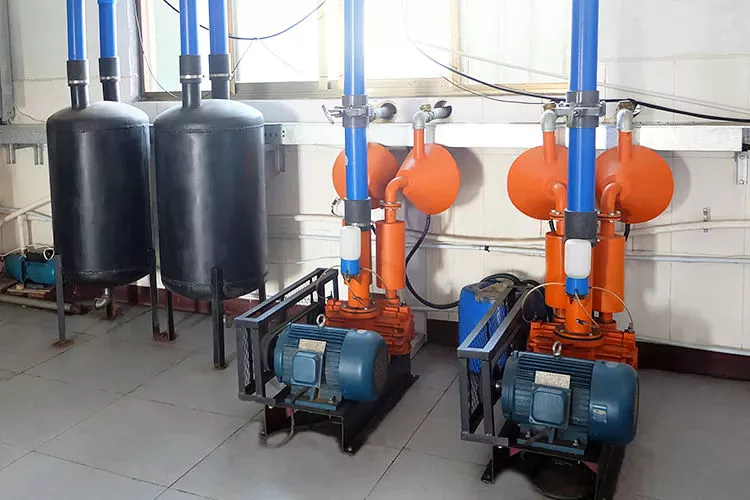
Koszt
Całkowity koszt pompy próżniowej składa się z dwóch głównych elementów: początkowej inwestycji i bieżących kosztów konserwacji. Ten ostatni jest najdroższy, ponieważ pochłania około cztery do pięciu razy więcej energii niż początkowa inwestycja. Dlatego wybór bardziej energooszczędnego modelu to dobry sposób na obniżenie całkowitego kosztu systemu i skrócenie okresu zwrotu z inwestycji.
Początkowy koszt pompy próżniowej wynosi około $786. Najtańsze są pompy łopatkowe smarowane olejem, natomiast pompy łopatkowe bezolejowe są nieco droższe. Pompy bezkontaktowe również są nieco droższe. Koszt pompy próżniowej nie jest wysoki, ale jest to czynnik, który należy dokładnie rozważyć.
Wybierając pompę próżniową, należy wziąć pod uwagę rodzaj tłoczonego gazu. Niektóre pompy nadają się tylko do pompowania powietrza, podczas gdy inne są przeznaczone do pompowania helu. Powietrze bezolejowe charakteryzuje się inną wydajnością niż powietrze. Dlatego należy wziąć pod uwagę właściwości medium, aby upewnić się, że pompa spełnia Państwa wymagania. Koszt pompy próżniowej może być znacznie wyższy niż cena zakupu, ponieważ codzienne koszty eksploatacji i konserwacji mogą być znacznie wyższe.
Smarowane pompy próżniowe są zazwyczaj trwalsze i tańsze, ale mogą wymagać większej konserwacji. Koszty konserwacji zależą od rodzaju tłoczonego gazu. Lżejsze gazy należy pompować wolniej, a cięższe szybciej. Poziom konserwacji pompy próżniowej zależy również od częstotliwości jej smarowania.
Pompy próżniowe membranowe wymagają regularnej konserwacji i wymiany oleju. Olej w pompie membranowej należy wymieniać co 3000 godzin pracy. Pompa jest również odporna na działanie chemikaliów i korozję. Dzięki temu może być stosowana w produktach kwaśnych i lepkich.


redaktor przez czh 2023-03-27